





API gateway vs API management: The core difference
An API gateway acts as a central entry point for API requests where in API management is a comprehensive solution for governing APIs
If you’re building a SaaS product, your API infrastructure grows along with your product. When your customer base is in the single digits, your API infrastructure is pretty simple. You mostly have fewer API endpoints in a monolithic backend, a single gateway, and operate on limited security and policies.
But as your product gains traction and your customer base grows, new challenges present themselves. A monolithic backend might not be feasible anymore, and you would need a microservice architecture. A single gateway can easily bottleneck and companies might want better security and policies enforced.
This is where you might prioritize building a solid API infrastructure that scales with your product. But what do you go for? A complete API management platform or an API gateway platform?
While both of these ultimately help you build a better API infrastructure, there are some key differences that you need to know about before making the decision. Let’s take a look at these differences and understand what could be the best option for you.
API management vs API gateway: The key differences
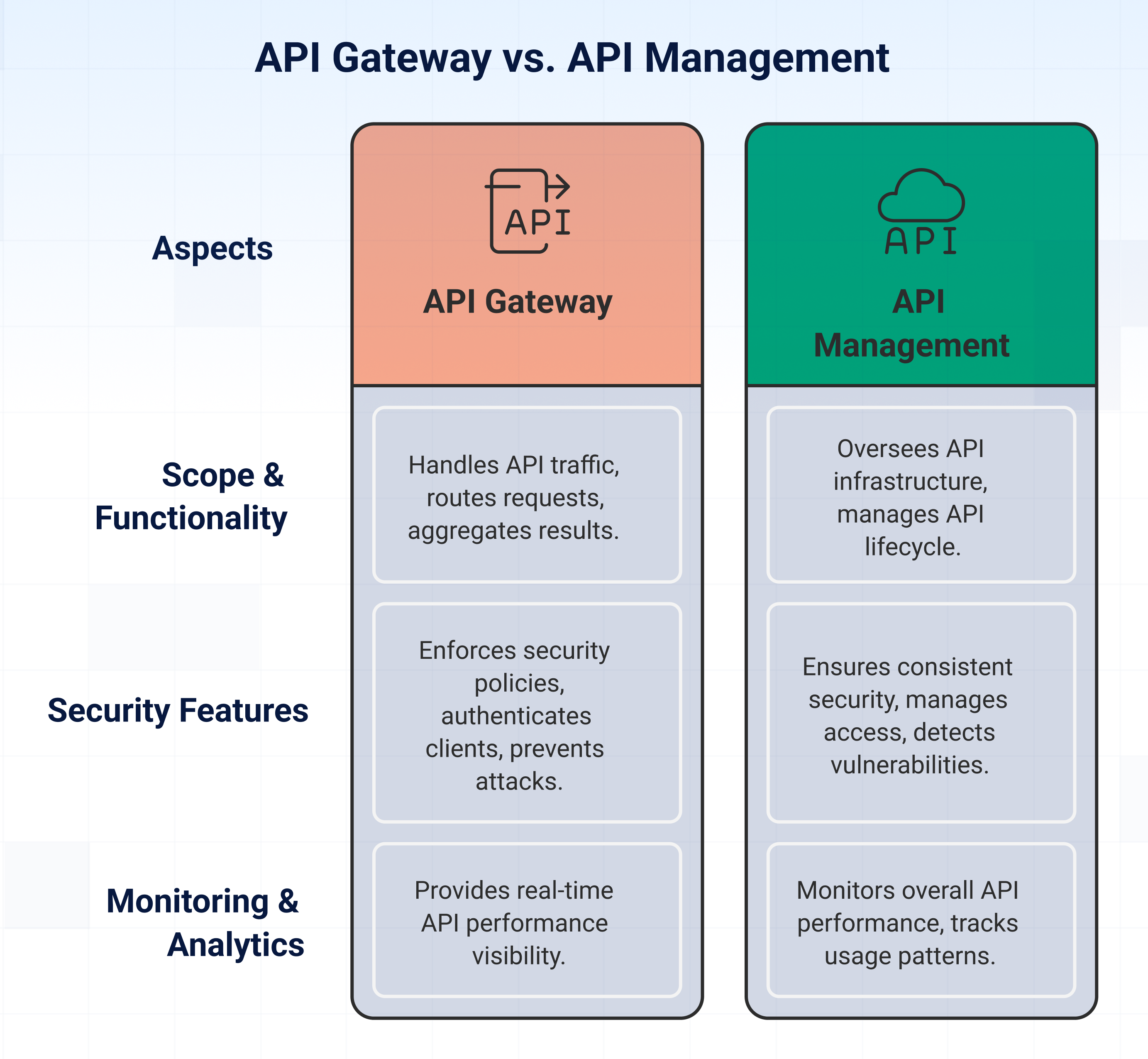
Here’s an overview of the major differences between API management and API gateway:
1. Scope and functionality
A. API gateway:
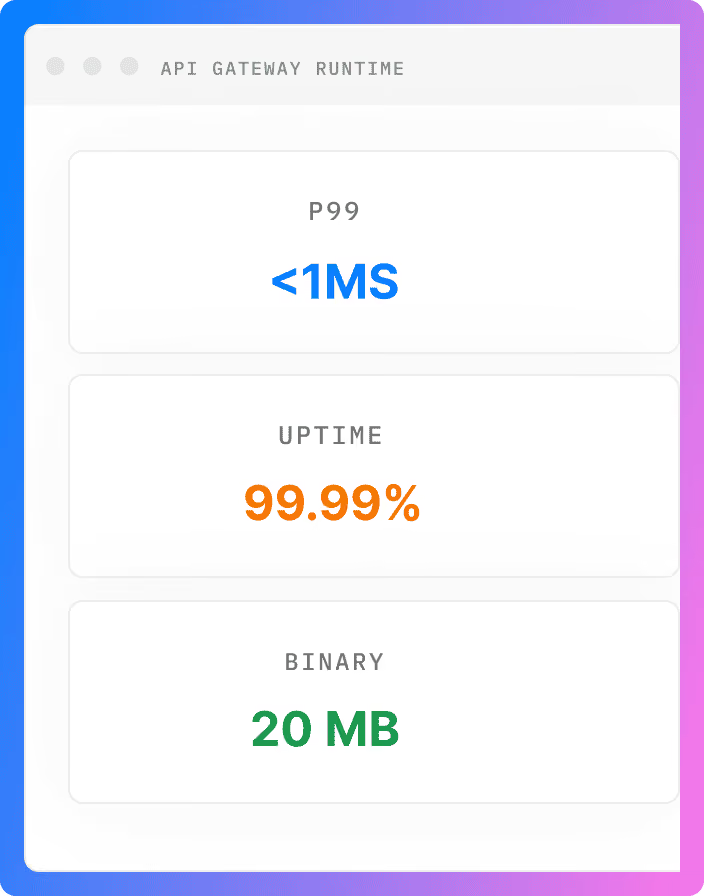
An API gateway is the single entry point for client applications (browser or a mobile app) to make API calls to the backend microservices. So, it is primarily responsible for handling all the traffic.
An API gateway:
- Receives API calls from the client.
- Screens requests against the configured security policies.
- Translates requests in the format that the microservices accept.
- Routes requests to the appropriate microservices.
- Aggregates results from different microservices.
- Delivers data as a single response to the client in their accepted data format.
B. API management:
While API gateway is responsible for ensuring a smooth and secure API traffic, API management looks at the big-picture. It oversees the entire API infrastructure within the company.
API management helps to:
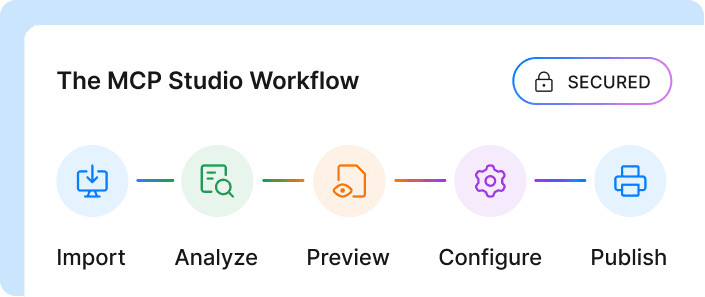
- Design, create, test, and publish APIs with their documentation.
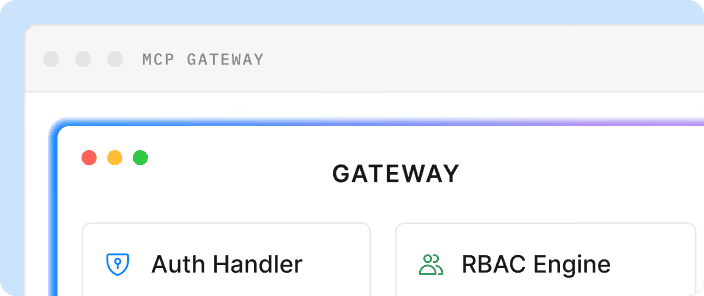
- Oversee all the API Gateways used by your organization.
- Enforce security and compliance policies across all the APIs.
- Monitor the performance, health, and any anomalies in the APIs.
- Create a developer portal where internal teams and external integrators can browse the APIs and their documentation.
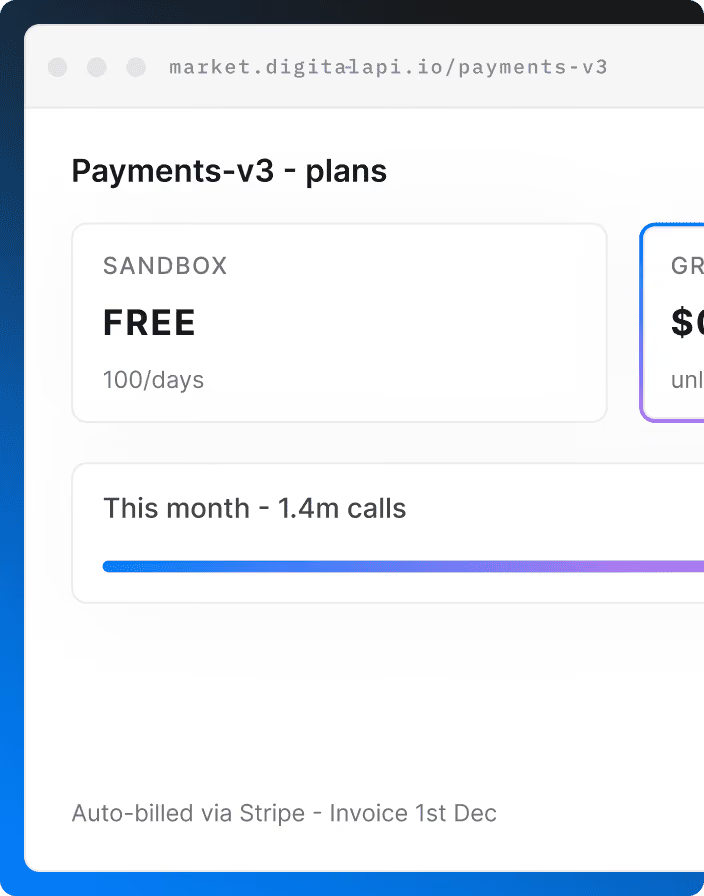
- Monetize APIs through subscription plans and other pricing models.
Example: A SaaS tool like Stripe will use API gateways to receive API calls from the businesses they are integrated with. Meanwhile, they use API management to monetize their APIs through pricing plans and sell it to businesses for integration.
2. Security features
A. API gateway
Since all API traffic flows through API gateways, security needs to be tight at this layer. API gateways out right rejects API calls that are unauthenticated, unauthorized, and notifies the developers about suspicious traffic.
An API gateway maintains a strict security by:
- Enforcing the HTTPS protocol by either rejecting other protocols or translating them to a HTTPS.
- Authenticating the client with API keys, OAuth 2.0, JSON Web Tokens (JWT), mTLS, or SAML.
- Checking whether the client is authorized to request the API they want.
- Preventing DDos attacks through rate limiting - the feature that limits the rate at which a client can make an API call for a fixed time period.
- Enforcing API throttling - the feature that instead puts the excess calls in a queue, controlling the traffic effectively.
- Restricting or rejecting API calls from potentially malicious IP addresses.
B. API management:
While API gateways ensure proper security of the API traffic, API management ensures that security is consistently applied across all the APIs. It also ensures that all the APIs follow proper compliance standards.
API management helps in:
- Applying Role-based Access Control (RBAC) so that different users (developers, admins, and external parties) have the right API access.
- Ensure compliance with regulations like GDPR, HIPAA, and PCI DSS.
- Managing API keys through the developer portal.
- Scanning the APIs to detect vulnerabilities and fix them.
- Finding suspicious and unnatural API activity to prevent cyberattacks.
- Retiring old API versions and rolling out new ones without compromising security.
Example: A SaaS tool that stores a patient's medical records would use API gateways to ensure that the assigned doctors can view all of their patient’s records while the patient can only view theirs.
Meanwhile, the tool would use API management to ensure proper HIPAA standards are being followed across the APIs.
3. Monitoring and analytics
A. API gateway
API gateways give you real-time visibility into how your APIs are performing. Since every API request flows through it, it can immediately detect issues that can tank or compromise the entire system.
An API gateway can:
- Log all the API requests and its response that goes through it along with their timestamps.
- Monitor the API response times to ensure a smooth process.
- Distribute requests across different microservice instances to help with load balancing.
- Track all the errors and failed requests to help developers fix them properly.
- Immediately notify developers about unusual API spikes or requests.
B. API management
API management goes beyond real-time API visibility. It is like having a dashboard that helps you understand how your APIs are used. This approach helps you maintain your entire API infrastructure better.
API management can:
- Monitor all the APIs to check their overall performance and detect any API health issues like slow response times, and unresponsiveness.
- Provide historical data into the when and where API spikes occur frequently and let the developers make adequate optimizations.
- Help you see how your internal teams and customers are using your APIs.
- Help you understand usage patterns by different client apps, geographic regions, or specific time frames.
- Monitors multiple API Gateways across different environments, ensuring consistency in performance, security, and governance.
Example: A platform like Slack, which offers APIs for messaging would use an API gateway to manage traffic spikes and keep messages flowing smoothly. Meanwhile, API management helps track peak usage times, monitor which integrations (like Google Drive or Jira) are most popular, and ensure API performance stays reliable.
When to use API management and API gateway
Now that you know API management and API gateways serve different roles, how do you decide when to implement which? To answer this question, you need to think about your use case.
Let’s go over some use cases for both API management and API gateways:
Use Case for API Management
API management is essential when the problems or needs lie within the API strategy. If you want to create and oversee APIs across different teams, API Gateways, API Management can help you.
API Management is The Right Choice When:
1. You have multiple APIs across different teams, products, or cloud environments
As companies scale, they often have hundreds of APIs, built by different teams and running on different API Gateways. Without API management, it’s difficult to maintain security, consistency, and visibility.
API Management helps centralize control, ensuring that all APIs follow the same security, governance, and performance policies.
2. Security and compliance are a priority
If your APIs handle sensitive data, whether it’s financial transactions, personal user data, or healthcare records, you need to enforce strict security policies and comply with industry regulations like GDPR, HIPAA, and PCI DSS.
API Management ensures that all APIs across your company follow the same authentication, encryption, and logging standards.
3. Building a proper API infrastructure is a long-term goal
When you require analytics and insights like long-term trends, API adoption, peak usage times, frequently accessed API endpoints, API performance and health, API management is the most suitable option that will help you grow your API infrastructure quickly and safely.
4. You offer APIs to external developers or partners
If your APIs are being consumed by third-party developers, partners, or customers, API Management helps create a seamless onboarding experience. It provides developer portals and with it a self-service access to API documentation, ensuring smooth integration.
5. If you want to monetize your APIs
If you do not want to provide integrations or access to your APIs for free, you can monetize them through subscription plans, pay-as-you-go pricing, freemiums, and partnerships.
6. You constantly update and release new API versions
As APIs evolve, businesses must introduce new versions without breaking existing integrations. API Management provides versioning support, allowing companies to maintain older APIs while rolling out updates and smoothly transitioning customers to newer versions.
Use Case for API Gateways
API gateways are the answer when the problems or needs lie within the operational level, precisely within the API traffic management.
API Gateways Are The Best Choice When:
1. You have a lot of microservices and need a single entry point:
If you are a SaaS platform that relies on a microservices architecture, an API gateway can receive one call with requests to multiple microservices. It can then route the requests to the appropriate microservices and deliver the response back to you.
2. You are concerned about API traffic security:
If you want to secure your API traffic, API gateways provide what you want. From translating protocols to HTTPS to ensuring only authenticated and authorized requests go through, API gateways protect your API traffic with strict security.
3. You have a growing customer base
If your customer base is growing and you are projecting an increase that would bottleneck your current API traffic, you need more API gateways. This is especially true if you have customers coming in from different parts of the world.
Multiple gateways help you reduce latency while also increasing the bandwidth for the traffic your system can handle.
4. You want to enforce rate limits and control API consumption
To prevent abuse, an API Gateway allows you to set API request rate limits per client application, or IP address. This ensures fair access while blocking excessive or malicious API calls.
Alternatively, you can put the excess API requests in a queue. This would slow down systems but helps you prevent system downtimes due to API request spikes.
Integrating API Management and API Gateway
While API management and API gateway serve different purposes, they are not competing solutions. In fact, they work best together, forming a complete API strategy that ensures security, efficiency, and scalability.
Here’s how integrating both API management and API gateways help companies:
1. Stronger Security
APIs often serve different users and managing security across all of them can become a headache, especially if your company is growing rapidly.
By integrating API gateways with API management, you can access and configure all of your gateways and APIs from a central location. This reduces security gaps and compliance risks and you will get a better view of your API infrastructure security.
2. Better API Performance
With integration, businesses gain real-time traffic management at the gateway level while API management provides insights into usage trends, peak usage periods, and underutilized resources. This helps teams optimize their API infrastructure, prevent bottlenecks, and reduce operational costs without compromising on the performance.
3. More Control Over API Monetization
For businesses that monetize APIs, access control cannot be overlooked. With API management, businesses can implement subscription-based access, pay-per-use billing, and tiered pricing while ensuring that API gateways enforce those limits in real time.
4. Better Scalability
As businesses grow, APIs become distributed across multiple teams. API Gateways handle traffic, but without API Management, businesses struggle to maintain standardized policies, lifecycle management, and versioning.
Integrating both ensures that all APIs follow the same security, access control, and performance standards. API versioning, deprecations, and updates remain organized and predictable, preventing disruptions as APIs evolve.
Manage Your APIs Effortlessly with DAC
Managing multiple APIs across different platforms can be complex, but DigitalAPI makes it simple. Our AI-powered API management platform helps businesses secure, monitor, and scale APIs from a single, unified dashboard.
DigitalAPI seamlessly integrates with popular API Gateways like AWS, Apigee, Kong, Azure, and SAP, ensuring smooth operations across any environment. Contact us to learn more.
Frequently asked Questions (FAQ)
1. Is an API gateway part of API management?
Yes, an API gateway is a critical component of most API management solutions. The gateway handles the real-time traffic, while the management platform provides the tools to configure, monitor, and govern it.
2. Can you have an API gateway without API management?
Absolutely. Many organisations start with a standalone API gateway to manage traffic for their microservices. They often adopt a full API management solution later as their API program matures and they need more strategic capabilities like developer portals and analytics.
One email a fortnight. Worth opening.
A short digest of what we're writing, what we're learning from customers, and the handful of links you'd actually want from us. No tracking pixels.

.avif)