



API catalog vs developer portal: what's the difference?
An API Catalog internally governs API inventory. A Developer Portal offers external developers a hub for discovery, consumption, and a great developer experience. Both are vital for thriving API strategies.

TL;DR
1. An API Catalog is an organized inventory of all APIs, focusing on structured metadata, governance, and a single source of truth across an enterprise.
2. An API Developer Portal is a user-facing platform designed for developers to discover, learn about, test, and consume APIs efficiently.
3. While a Catalog is a backend system for internal organization and governance, a Portal is the frontend experience for API consumers.
4. A robust API Catalog feeds accurate, up-to-date information into a Developer Portal, making the portal truly valuable.
5. For a thriving API strategy, both are indispensable: the Catalog ensures internal control and visibility, and the Portal drives external adoption and positive developer experience.
Optimize your API strategy with DigitalAPI. Book a Demo!
The average enterprise now manages more than 900 APIs yet fewer than 40% have a documented catalog of what they own. The result is API sprawl: duplicated services, undiscovered assets, and developers who build the same endpoint twice because they couldn't find the existing one.
Two tools solve different parts of this problem. An API catalog is the internal backbone - a structured inventory of every API your organisation owns, governed and searchable, built for the producers who manage them. An API developer portal is the consumer-facing front door - the interface developers, partners, and internal teams use to discover, test, and start using APIs without raising a ticket.
They are not the same tool. Understanding the difference is what separates an ad hoc API program from a scalable, governed one. This guide covers both: what each does, who it serves, and when you need both to work together.
What is an API catalog and why do organisations need one?
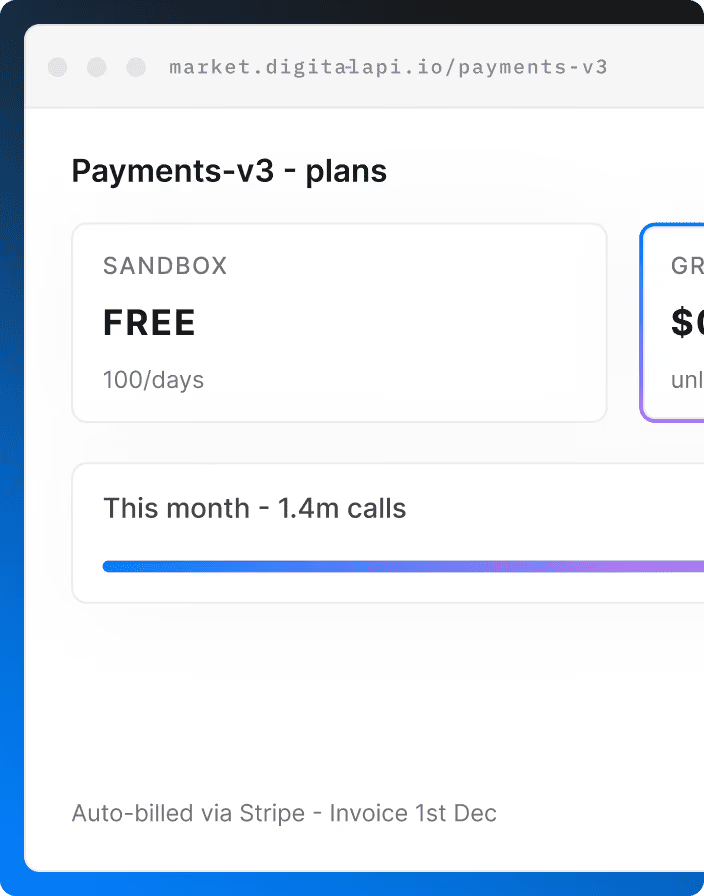
An API developer portal is a user-facing platform - a website or application designed for the people who consume your APIs: developers, partners, and internal teams. Its purpose is to make API discovery, onboarding, and integration self-serve. A well-built portal provides interactive documentation, sandbox environments, API key management, and usage analytics reducing the friction between finding an API and making the first successful call.
Organizations need an API catalog to combat the inevitable sprawl that occurs as the number of APIs grows. Without it, developers, architects, and product managers struggle to discover existing APIs, leading to duplication of effort, inconsistent designs, and security vulnerabilities. A robust catalog enhances API discovery, enforces governance, streamlines compliance, and provides critical insights into the entire API landscape. It’s a tool primarily for internal teams to maintain order, ensure consistency, and strategically manage their API portfolio effectively, driving efficient API lifecycle management.
What is an API developer portal?
Conversely, an API developer portal is an external-facing (or sometimes internal-facing for larger organizations) website or application designed to facilitate the discovery, learning, and consumption of APIs by developers. It's the user interface where API consumers interact with your API products. Its primary goal is to provide a seamless self-serve developer experience, empowering them to integrate APIs quickly and efficiently into their own applications.
A well-designed developer portal includes interactive documentation, code samples, SDKs, quick-start guides, tutorials, and a sandbox environment for testing. It also often features API key management, usage analytics, support forums, and clear terms of service. The essence of a developer portal is to reduce friction in the API consumption process, boost API adoption, and foster a vibrant ecosystem around your APIs. It's an essential channel for engaging developer communities and realizing the full potential of your API monetization models.
.png)
Core differences: purpose and strategic value
While both platforms deal with APIs, their fundamental purposes and the strategic value they bring to an organization diverge significantly:
Purpose
- API catalog - purpose: Its purpose is internal consistency, governance, and centralized management. It ensures that every API within the organization is accounted for, understood, and adheres to standards. It’s about building a structured backbone for your API ecosystem.
- API developer portal - purpose: Its purpose is external engagement, developer enablement, and accelerating API consumption. It’s about creating an inviting and functional storefront that makes your APIs easy to use and integrate, driving value through partnerships and new applications.
Strategic Value
- API catalog - strategic value: The strategic value lies in operational efficiency, risk mitigation, and future-proofing. It prevents API sprawl, reduces redundant development, enforces API management best practices, and aids in compliance and API security. It provides a holistic view of your API assets, enabling better architectural decisions and resource allocation.
- API developer portal - strategic value: The strategic value is centered on innovation, revenue generation, and ecosystem growth. By simplifying API access, it fosters external innovation, unlocks new business models (e.g., via API monetization), and strengthens relationships with partners and third-party developers. It's a key driver for expanding your digital footprint and market reach.
In essence, the catalog is about control and organization from the inside out, while the portal is about outreach and usability from the outside in.
Where does the API gateway fit in?
The API catalog and developer portal comparison is not complete without placing both tools in context with the API gateway - the third piece of the infrastructure that many teams conflate with the other two.
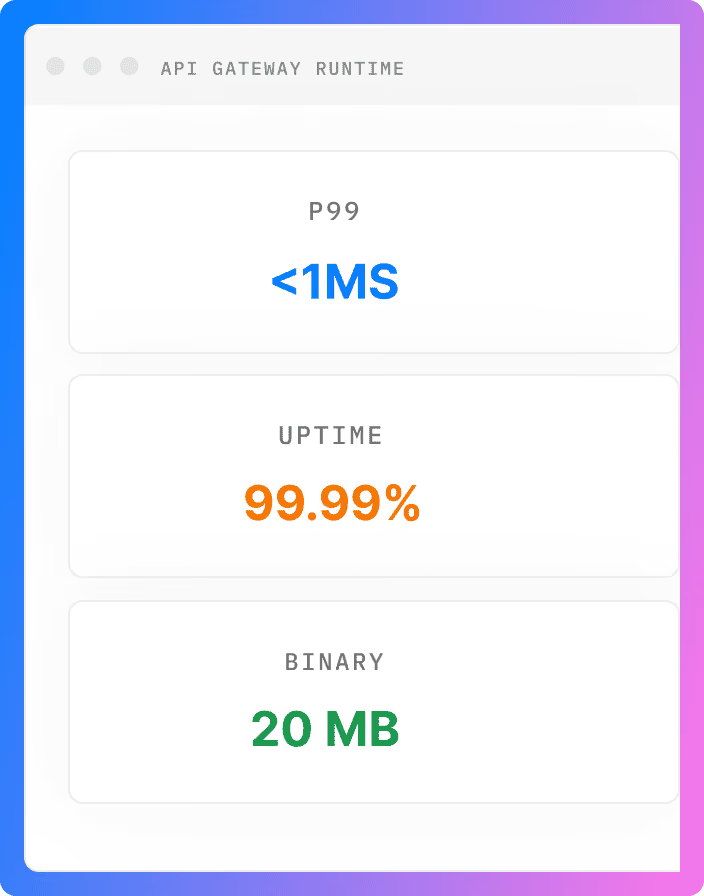
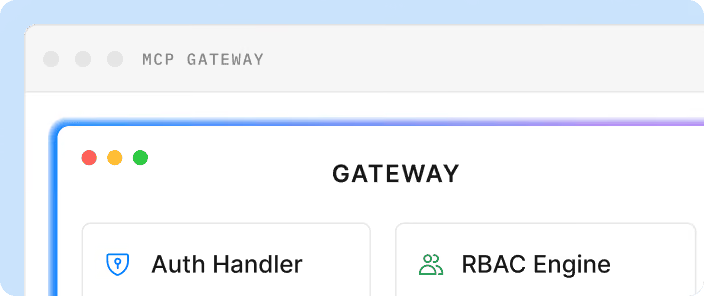
An API gateway is the runtime enforcement layer. It handles traffic routing, authentication, rate limiting, security policy application, and load balancing for every API call in production. It does not store documentation, does not provide a developer onboarding interface, and does not maintain a catalog of what APIs exist - it manages what happens when an API is called.
The relationship between all three is linear:
- The API catalog organises and governs the API estate it knows what APIs exist, who owns them, and what state they are in
- The API gateway secures and routes traffic it enforces policies on API calls at runtime
- The API developer portal exposes APIs to consumers it gives developers the interface to discover, test, and subscribe
A gateway without a catalog produces ungoverned, invisible services. A catalog without a portal produces governed but inaccessible APIs. A portal without a gateway produces documentation that points to unsecured endpoints. All three are complementary - not interchangeable.
Who uses each platform? Primary audiences compared
Understanding the primary users of each platform further clarifies their distinct roles:
API catalog - target audience
- API Providers/Internal Developers: Developers building new APIs, maintaining existing ones, or looking to reuse internal services. They need to know what APIs exist, their specifications, and who owns them.
- API Architects: Individuals responsible for designing the overall API landscape, ensuring consistency, and avoiding duplication. They use the catalog for strategic planning and governance enforcement.
- Product Managers: People defining API products and their lifecycles. They use the catalog to understand the portfolio and identify opportunities or deprecation needs.
- Security and Compliance Teams: Teams ensuring APIs meet security standards and regulatory requirements. The catalog provides the necessary visibility for audits and risk assessments.
- Operations Teams: Those responsible for the health and performance of APIs. They can use catalog data to track deployments and monitor status.
API developer portal - target audience
- External Developers: Third-party developers, partners, and customers who want to integrate with your services. They are looking for clear documentation, ease of use, and a smooth onboarding process.
- Internal Application Developers: Within large organizations, internal teams consuming APIs built by other internal teams also benefit from a portal-like experience for rapid integration.
- Business Analysts: Often exploring API capabilities to understand potential integrations for new business initiatives.
- API Product Evangelists: Professionals showcasing API capabilities to potential users and partners.
While there can be overlap (e.g., internal developers might use both), the catalog primarily serves those who *create and manage* APIs, while the portal serves those who *consume* APIs.
Features compared: API catalog vs API developer portal
The distinct target audiences and purposes lead to very different feature sets:
API catalog - key features
- Centralized API Inventory: A comprehensive list of all APIs, regardless of where they are hosted (API Gateway, microservice, legacy system).
- Metadata Management: Tools to define, attach, and manage rich metadata (owner, domain, lifecycle stage, version, environment, tags, risk level) for each API.
- Specification Management: Storage and version control for OpenAPI (Swagger), RAML, AsyncAPI, and other API specifications.
- Automated Discovery and Sync: Capabilities to automatically discover APIs from various sources (e.g., API gateways, Git repositories, CI/CD pipelines) and keep the catalog in sync.
- Governance and Policy Enforcement: Tools to define and enforce API design standards, security policies, naming conventions, and deprecation workflows.
- Search and Filtering: Powerful search capabilities to find APIs based on various criteria, including metadata, tags, and content within specifications.
- API Relationships/Dependencies: Mapping how APIs relate to each other or depend on other services.
- Audit Trails and Reporting: Logging changes and providing reports on API usage, compliance, and health.
API developer portal - key features
- Interactive API Documentation: User-friendly, browsable, and searchable documentation generated from API specifications, often with "try-it-out" functionality.
- API Key Management: A self-service system for developers to generate, manage, and revoke API keys for secure access.
- Sandbox Environment: A testing environment that mimics production behavior, allowing developers to experiment with APIs without affecting live data.
- Code Samples & SDKs: Ready-to-use code snippets in various programming languages and software development kits to expedite integration.
- Usage Analytics & Reporting: Dashboards for developers to monitor their API consumption, quota limits, and performance metrics.
- Onboarding & Registration Flows: Streamlined processes for new developers to sign up, get access, and start using APIs quickly (reduce API onboarding time).
- Support & Community Features: FAQs, forums, chatbots, or direct support channels to assist developers.
- Customization & Branding: Options to brand the portal to align with the organization's identity (API portal).
- Tutorials and Guides: Step-by-step instructions and use cases to help developers understand how to implement APIs for specific scenarios.
How API catalogs and developer portals work together
Despite their differences, API catalogs and developer portals are not mutually exclusive; they are profoundly synergistic. A truly effective API strategy recognizes that one significantly enhances the other.
The API catalog acts as the authoritative backend system that *feeds* the developer portal. All the structured, up-to-date information within the catalog—API specifications, metadata (owner, lifecycle, version), security policies, and even usage data—is what populates the developer portal. Without a robust and accurate API catalog, the developer portal would struggle with outdated documentation, inconsistent information, and a lack of discoverability, diminishing the developer experience.
Conversely, a developer portal gives life to the catalog's data. It transforms raw specifications and metadata into an engaging, interactive experience for consumers. It's the public face of your API program, the interface through which the hard work of cataloging and governance becomes visible and useful to external developers. Feedback and usage data from the portal can also inform the catalog, helping API owners understand which APIs are popular, which need improvement, or which might be candidates for deprecation, contributing to better API metrics.
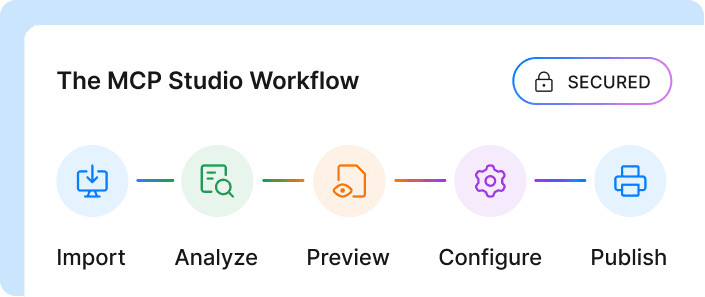
Together, they form a continuous loop: the catalog ensures consistency and quality, which the portal then leverages to drive adoption and generate value, with portal usage data providing insights back to the catalog for continuous improvement. In practice, this means that when a new API is connected from Kong, Apigee, or Azure API Management into the catalog, it is immediately available in the portal - tagged, documented, and ready for self-serve consumption without any manual publishing step.
Why your API strategy needs both an API catalog and a developer portal
To genuinely thrive in the API economy, organizations cannot afford to treat API catalogs and developer portals as optional or interchangeable components. Both are strategic necessities, albeit serving distinct functions:
- Internal Cohesion and Control (Catalog): An API catalog ensures that your internal teams operate from a shared understanding of your API assets. It prevents "shadow APIs," reduces development costs by encouraging reuse, and fortifies your API governance framework. Without it, even the most well-intentioned teams will inevitably create redundant or inconsistent APIs, leading to technical debt and operational headaches.
- External Engagement and Growth (Portal): A developer portal is your primary vehicle for driving external adoption and unlocking new revenue streams. In today's digital landscape, the quality of your API documentation and developer experience can be as important as the API functionality itself. A superior portal differentiates your offerings, attracts developers, and accelerates time-to-market for integrated solutions.
Neglecting either part will hobble your API strategy. A great catalog without a portal means valuable APIs remain undiscovered and unused. A sophisticated portal without a solid catalog will quickly become populated with outdated, inaccurate, or inconsistent information, eroding developer trust.
When to prioritise an API catalog, a developer portal, or both
For most enterprises, the answer is eventually both but the sequence matters. Starting with the catalog before the portal builds the governance foundation that keeps the portal's documentation accurate and trustworthy. Starting with the portal before the catalog can drive adoption, but documentation quality degrades quickly as APIs change and nobody is maintaining the source of truth. Here is how to read your current situation.
- Prioritize API Catalog When:
- Your organization has significant internal API sprawl, with APIs scattered across multiple teams, gateways, or legacy systems.
- You're struggling with inconsistent API designs, poor API versioning, or a lack of clear ownership.
- Regulatory compliance or internal governance is a major concern, requiring a single source of truth for all API assets.
- Your immediate goal is to improve internal developer productivity and reduce redundant API development.
- Prioritize API Developer Portal When:
- You have well-defined, stable APIs ready for external consumption or widespread internal reuse.
- Your primary objective is to build an ecosystem, drive partnerships, or generate revenue through APIs.
- You need to improve the API adoption rates among your target developer audience.
- You aim to provide a self-service experience to reduce support overhead for API consumers.
- Combine and Integrate Both When:
- You have a mature API program and are looking to optimize both internal management and external consumption.
- You want to ensure that all APIs exposed through your portal are consistently governed, documented, and up-to-date.
- Your strategy involves rapid scaling of both internal API development and external API ecosystem growth.
- You seek comprehensive visibility from API creation to consumption, with feedback loops informing continuous improvement.
In most modern enterprises, the ideal scenario is to invest in both, often leveraging an integrated API management platform that offers strong capabilities for both cataloging and developer portals. This integrated approach ensures seamless data flow and consistent management across the entire API lifecycle.
FAQs
1. Can an API Catalog function effectively without an API Developer Portal?
Yes. An API catalog works effectively on its own for organisations focused on internal governance, inventory management, and API reuse. It creates a single source of truth for specifications and metadata, prevents sprawl, and supports architectural decisions. However, without a developer portal, the catalog's data stays invisible to the consumers who would benefit from it limiting the API program's external reach and adoption.
2. Is an API Developer Portal simply a fancy API Catalog?
No, an API Developer Portal is not simply a fancy API Catalog. While a portal *presents* API information, much of which originates from a catalog, its core purpose is user interaction, self-service, and developer enablement. It focuses on user-friendly documentation, code samples, testing environments, and community features, which are distinct from the catalog's backend organizational and governance functions.
3. What role does an API Gateway play in relation to both a Catalog and a Developer Portal?
An API gateway is the runtime enforcement layer it handles traffic routing, security, authentication, and rate limiting for every API call. It is not a catalog or a portal. The catalog organises what APIs exist; the gateway controls how they are accessed; the portal exposes them to consumers. All three are complementary: remove any one and the API program has a critical gap.
4. How do I choose between building or buying an API Catalog and a Developer Portal solution?
Building gives full control but requires significant ongoing investment in development and maintenance - most enterprises underestimate the cost of keeping gateway sync, RBAC, and documentation pipelines current. Buying an integrated API management platform delivers faster time-to-value, proven enterprise features, and vendor support. For teams without a dedicated platform engineering resource, buying is almost always the more cost-effective and scalable path.
5. What are the key KPIs to measure the success of both an API Catalog and an API Developer Portal?
For an API catalog: number of APIs catalogued, metadata completeness, compliance with governance rules, API reuse rate, and reduction in duplicate builds. For an API developer portal: registered developers, API call volume, time-to-first-call, adoption rate, developer satisfaction score, and number of integrated applications. Together these KPIs give a complete picture of both the governance health and the consumption performance of your API programme.
Dhayalan Subramanian is Associate Director, Product Growth at DigitalAPI, where he leads go-to-market and product growth for the company’s multi-gateway API management platform. His work focuses on helping large enterprises and mid-market cloud companies consolidate APIs across AWS, Azure, Apigee, Kong, MuleSoft, and other gateways into a single control plane for governance, discovery, monetization, and agent consumption.
Dhayalan brings 14+ years of experience across product strategy, enterprise architecture, and engineering leadership. Earlier in his career, he held senior roles at Encora (as Associate Architect and Technical Manager), Mindtree (Technology Lead), Tech Mahindra (Technical Lead), and Primus Analytics, where he designed integration frameworks and delivered enterprise-grade digital platforms for global customers.
At DigitalAPI, he works directly with platform, integration, and developer experience leaders at Fortune 500 organizations to operationalize unified API catalogs, developer portals, and MCP-ready APIs. He writes regularly on API developer experience, API governance, and AI agent architectures.

One email a fortnight. Worth opening.
A short digest of what we're writing, what we're learning from customers, and the handful of links you'd actually want from us. No tracking pixels.

.avif)