Back
API Use Cases
API Monetization
API Governance
API Discovery & Management
API Sandbox
API Documentation
API Catalog
API Analytics
API Portal
Open Banking Sandbox andMarketplace
API Security & Compliance
MCP Use Cases
MCP Discovery & Registry
Agent-Ready Developer Portal
Agent Authentication & Identity
MCP Governance & Access Control
AI Agent Builder
AI Guardrails & Usage Policies
Agent-era
MCP Monetization & Metering
API to MCP
MCP Observability & Monitoring
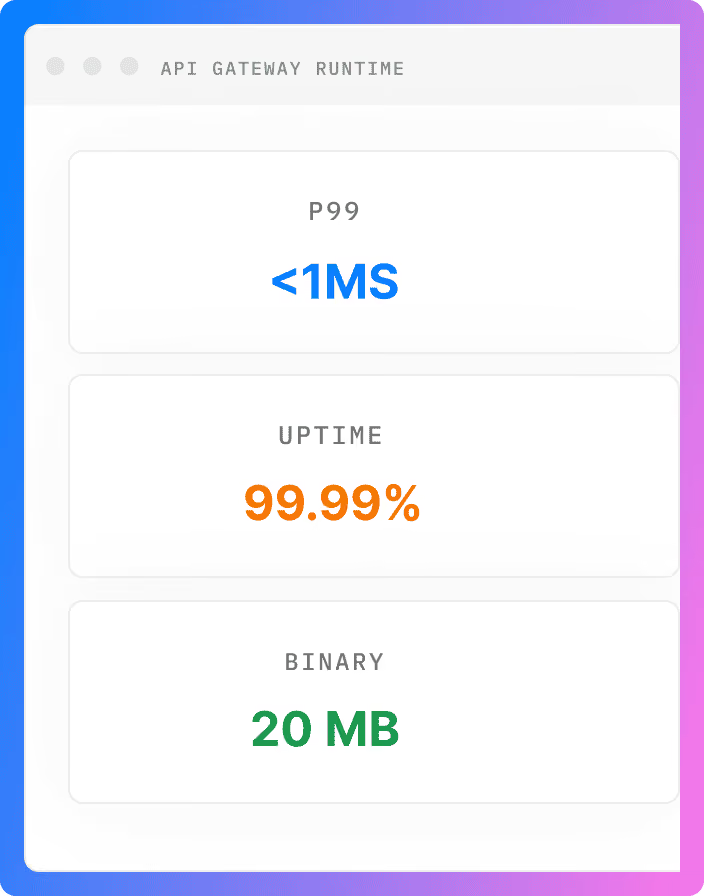
API Gateway
Built for the traffic you are actually seeing
Learn more →
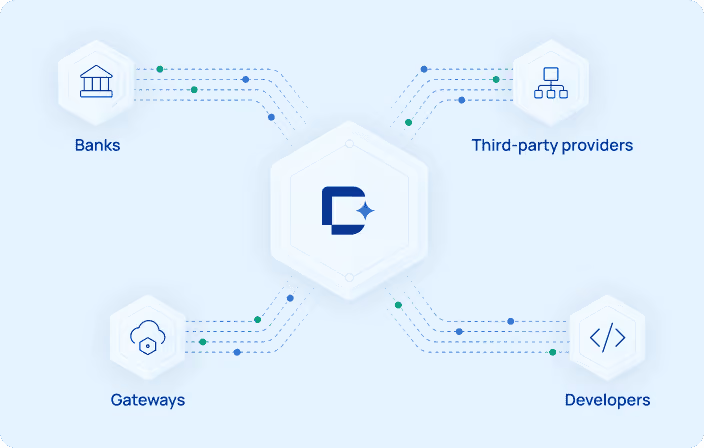
API Marketplace
Turn API adoption into revenue!
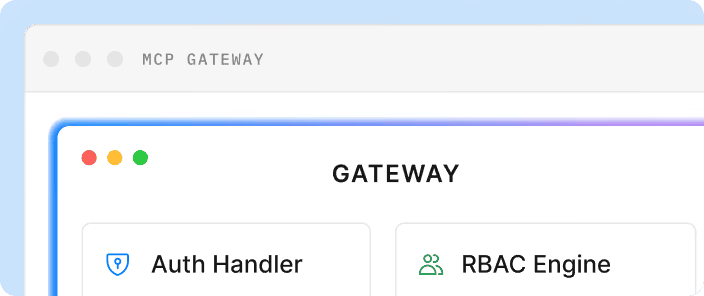
MCP Gateway
One governed path for agents calling your internal APIs, credentials, audit trail, and all.
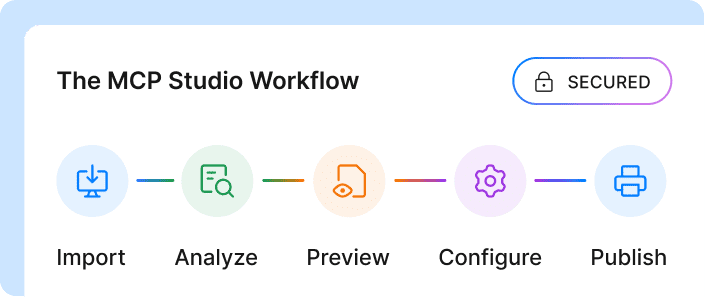
MCP Studio
Paste an OpenAPI spec, get a secure MCP server your agents can use. No wrapper code.
Healthcare
Banking
Insurance
Telecom
Power and Utilities
Oil and Gas
Manufacturing
Education
E-commerce
Logistics
Open Banking
Healthtech
Retail
Airlines
SaaS / Technology companies
Media and Communication
Government / Public Sector
Financial Services
Fintech
Resources
Blogs
Customer Stories
Webinars
APIM Job Board
Featured Stories
How Zurich handled millions of API transactions and scaled with DigitalAPI’s Marketplace
How Canara Bank slashed its infra costs by 50% and doubled transaction volume with DigitalAPI
Agents & MCP · 8 min
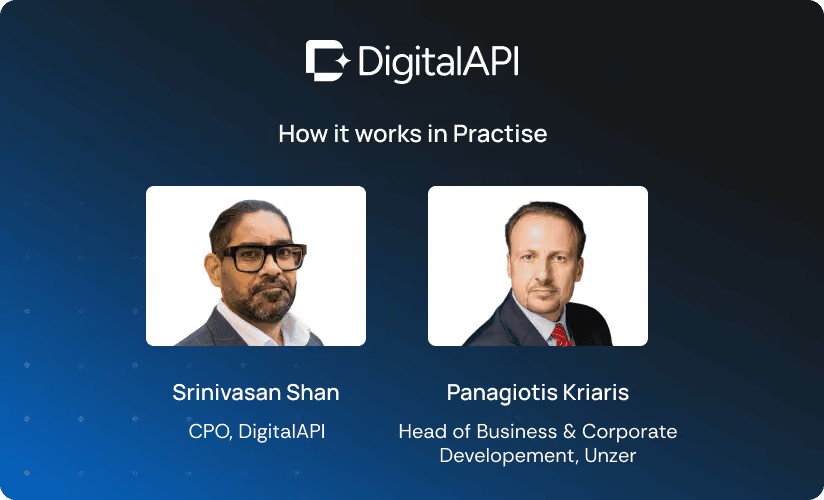
APIs as Banking's New Revenue Engine: How it works in Practise
Featured Blog
API Management · 14 Mins Read
API Management: The Ultimate Guide [2026]
Agents & MCP · 12 min
30 MCP Use Cases for 2026 in Different Industries
Comparisons
vs. Apigee
vs. MuleSoft
vs. Kong
vs. Backstage
vs. Swagger
vs. Mintlify
vs. Redocly
vs. Gitbook
Start for Free
API Management
API management is the practice of creating, securing, publishing, and monitoring APIs within an enterprise and multi cloud setting
Published:
October 11, 2026
Sign up for our latest news, events, and product updates delivered directly to your inbox. You can unsubscribe at any time.
Subscribe
Sneak peek into our customer success stories, thought leadership, updates and much more...
All
API Security
How to Implement API Rate Limiting: Step-by-Step Guide
Implement API rate limiting confidently. This step-by-step guide protects services, ensures performance, and manages costs through effective algorithms and deployment strategies for robust API security.
API Testing Environments: Ensuring Quality Pre-Production
Dedicated API testing environments are crucial. They replicate production to rigorously validate functionality, security, and performance, catching issues early to ensure high-quality, stable APIs before launch.
API Rate Limiting: Best Practices for Robust & Stable APIs
Implement API rate limiting best practices for robust, stable APIs. Learn algorithms, set clear policies, handle errors, and monitor usage to prevent abuse and ensure fairness.
External API monitoring: how to monitor APIs exposed to developers
Learn how to monitor external APIs exposed to developers. Improve uptime, detect issues early, and ensure reliable API performance.
External API Documentation: Best Practices, Structure, and Examples (2026)
Explore top external API documentation examples and best practices to create clear, developer-friendly docs that boost adoption.
API Integration
What are external APIs? Types, examples, and best practices
Learn what external APIs are, their types, real examples, and best practices to use them effectively in your apps and integrations.
API Adoption
Best practices for onboarding external developers
Learn proven strategies to onboard external developers quickly. Improve collaboration, reduce friction, and accelerate your development workflow.
AI-Powered API Docs Buyer Guide: Choose the Right Platform in 2026
An AI-powered API documentation tool uses machine learning to auto-generate, maintain, and optimize API reference docs, guides, and developer portals from your codebase or OpenAPI specifications.
Mastering AI Model Cost Optimization via API Gateways
Master AI model costs using API Gateways. Control escalating inference expenses through intelligent routing, caching, and rate limiting. Gain visibility and ensure sustainable AI operations.