




Best API Development Tools: For Design, Testing, & Documentation
API development tools are software platforms that help developers design, build, test, document, and manage APIs throughout their lifecycle.

TL;DR
1. In API development tools there are primary three types of tools- (API Design, API Testing, API Documentation)
2. Most organizations use multiple specialized tools for design, testing, documentation, and API management.
3. Some of these popular tools include Swagger, Postman, Insomnia, Redoc, Kong, Apigee, and AWS API Gateway.
4. However, Unified platforms like DigitalAPI simplify API development by centralizing the entire process in one place.
API development tools are software platforms that help developers design, build, test, document, and manage APIs throughout their lifecycle. Instead of manually handling API requests, responses, and integrations, these tools provide structured environments that streamline development and ensure APIs follow standardized specifications such as REST, GraphQL, and OpenAPI.
For modern engineering teams, APIs are the backbone of digital systems. Applications, microservices, mobile apps, and third-party integrations all communicate through APIs. API development tools make this communication reliable by enabling teams to design API schemas, test endpoints, automate documentation, enforce security policies, and monitor API performance from development to production.
Because organizations now manage dozens or even hundreds of APIs, these tools have become essential for maintaining consistency, improving collaboration between developers, and accelerating API delivery across distributed systems.
Why API Architects Need Specialized API Development Tools?
Modern applications rely heavily on APIs to connect services, applications, and external platforms. As organizations adopt microservices and cloud-native architectures, the number of APIs within a system grows quickly, making manual management difficult.
API architects rely on specialized API development tools to manage this complexity. These tools help standardize how APIs are designed, tested, secured, and maintained across teams.
Key reasons API architects use API development tools include:
- Standardized API design: Tools enforce specifications like OpenAPI and REST standards, ensuring consistent API structures across teams.
- Faster development workflows: Built-in testing, mocking, and automation reduce manual debugging and accelerate API delivery.
- Improved collaboration: Shared environments allow developers, architects, and platform teams to collaborate on API design and testing.
- Automated documentation: Many tools automatically generate API documentation from specifications, saving time and improving developer experience.
- Version control and lifecycle management: Tools help track API versions, manage updates, and maintain backward compatibility.
- Better security and governance: API gateways and management platforms enforce authentication, rate limiting, and policy controls.
Because modern organizations often manage hundreds of APIs, using specialized API development tools is essential for maintaining scalability, reliability, and developer productivity.
What Types of API Development Tools Exist?
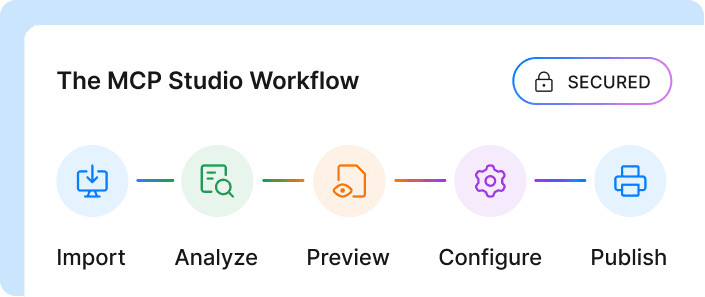
API development tools typically support different stages of the API lifecycle, from initial design to deployment and management. Instead of relying on a single platform, most engineering teams use a combination of specialized tools, each focused on a specific part of API development.
The main categories of API development tools include:
- API Design Tools: These tools help architects define API structures and specifications before development begins. They support standards such as OpenAPI and allow teams to design endpoints, request formats, and response schemas.
- API Testing Tools: Testing tools allow developers to send API requests, validate responses, debug errors, and automate test cases to ensure APIs function correctly.
- API Documentation Tools: Documentation tools automatically generate interactive API documentation, making it easier for developers and partners to understand how to use an API.
- API Gateway and End-to-End Management Tools: These platforms handle API security, authentication, traffic management, rate limiting, and monitoring for APIs running in production.
What are the best API Design Tools?
API design tools help architects define the structure, endpoints, request formats, and response schemas of an API before development begins. Designing APIs first, often called the API-first approach, improves consistency, reduces integration issues, and ensures teams follow standards such as OpenAPI and REST.
These tools typically provide visual editors, schema validation, collaboration features, and automatic documentation generation. By using dedicated design tools, teams can align on API contracts early and reduce rework during development.
Below are some of the most widely used API design tools used by development teams and API architects.
1. Swagger / OpenAPI
Swagger is one of the most widely used tools for designing and documenting APIs using the OpenAPI specification. It allows developers and architects to define API endpoints, request formats, and responses in a standardized format before implementation. Swagger also provides interactive documentation that helps teams test and understand APIs directly from the documentation interface.
Top Features
- OpenAPI specification support
- Interactive API documentation with Swagger UI
- API schema validation
- Automatic SDK generation
- Integration with CI/CD pipelines
Pros
- Industry-standard for API specifications
- Strong ecosystem and community support
- Automatically generates API documentation
- Works well with most REST-based APIs
Cons
- Requires learning the OpenAPI specification
- Collaboration features are limited compared to newer tools
- Can become complex for very large APIs
2. Stoplight
Stoplight is a collaborative API design platform built around the API-first development approach. It provides visual tools for designing APIs, validating schemas, and generating documentation based on OpenAPI specifications. Stoplight is commonly used by teams that need strong collaboration and governance during API design.
Top Features
- Visual API design interface
- OpenAPI and JSON schema support
- Built-in style guides and governance rules
- Automatic documentation generation
- Team collaboration features
Pros
- Excellent for collaborative API design
- Strong governance and design validation tools
- Modern and intuitive user interface
- Supports the full API design lifecycle
Cons
- Paid plans are required for advanced features
- Can be complex for small projects
- Learning curve for teams new to API-first workflows
3. Postman API Builder
Postman API Builder is part of the Postman platform and allows teams to design APIs directly within the Postman ecosystem. It enables developers to define API schemas, create mock servers, and test endpoints while collaborating with team members in a shared workspace.
Top Features
- API schema design and versioning
- Built-in API testing and debugging tools
- Mock servers for early development testing
- Team collaboration workspaces
- Integration with CI/CD pipelines
Pros
- Combines API design and testing in one platform
- Large developer community and ecosystem
- Easy to use for teams already using Postman
- Strong collaboration features
Cons
- Can become expensive for large teams
- Limited governance features compared to specialized design tools
- Performance issues with large collections
4. Insomnia Designer
Insomnia Designer is an API design tool that supports OpenAPI and GraphQL specifications, allowing developers to design, test, and debug APIs in a single environment. It is particularly popular among developers who prefer lightweight, developer-focused tools.
Top Features
- OpenAPI and GraphQL support
- Built-in API testing environment
- Git synchronization for version control
- Environment variables and request chaining
- Plugin ecosystem for extensibility
Pros
- Lightweight and fast interface
- Strong GraphQL support
- Git integration for version control
- Developer-friendly interface
Cons
- Collaboration features are limited in free versions
- Smaller ecosystem compared to Postman
- Advanced features require paid plans
What are the best API Testing Tools?
API testing tools help developers send requests to API endpoints, validate responses, detect errors, and automate testing workflows. These tools ensure APIs behave as expected before they are deployed to production.
For API architects and development teams, testing tools are essential for verifying performance, reliability, security, and response accuracy. They also allow teams to simulate real-world API calls and integrate automated tests into CI/CD pipelines.
Below are four widely used API testing tools used by development teams.
1. Postman
Postman is one of the most widely used API testing platforms. It allows developers to create API requests, test endpoints, automate workflows, and collaborate with teams through shared workspaces. Many teams also use Postman for documentation and API design alongside testing.
Top Features
- REST, GraphQL, and SOAP request testing
- Automated API test scripts
- API collections for organizing requests
- Mock servers for testing without a backend
- Integration with CI/CD pipelines
Pros
- User-friendly interface
- Large community and ecosystem
- Strong automation capabilities
- Supports team collaboration
Cons
- Advanced collaboration features require paid plans
- Can become heavy with large collections
- Some enterprise features are expensive
2. Insomnia
Insomnia is a lightweight API client designed for developers who want a fast and flexible way to test APIs. It supports REST and GraphQL requests and includes features for debugging, environment variables, and plugin extensions.
Top Features
- REST and GraphQL API testing
- Environment variables and request chaining
- Plugin system for customization
- Git synchronization for version control
- Debugging and response visualization
Pros
- Lightweight and fast interface
- Strong GraphQL support
- Easy request debugging
- Flexible plugin ecosystem
Cons
- Smaller ecosystem compared to Postman
- Collaboration tools are limited in the free version
- Fewer automation features than some enterprise tools
3. SoapUI
SoapUI is a well-known API testing tool used for testing REST and SOAP APIs. It provides advanced testing capabilities such as functional testing, load testing, and security validation, making it popular among enterprise QA teams.
Top Features
- Functional API testing
- Load and performance testing
- Security testing capabilities
- SOAP and REST API support
- Test automation and scripting
Pros
- Strong testing capabilities for complex APIs
- Supports both SOAP and REST services
- Useful for performance and security testing
- Widely used in enterprise QA environments
Cons
- User interface feels outdated
- Steeper learning curve for beginners
- Some advanced features are limited to the paid version
4. Hoppscotch
Hoppscotch is an open-source API testing tool that provides a fast and lightweight interface for sending API requests and debugging responses. It is often used by developers who want a quick alternative to heavier tools.
Top Features
- REST, GraphQL, and WebSocket testing
- Open-source and browser-based interface
- Real-time API response visualization
- Environment variable support
- Lightweight performance
Pros
- Completely open-source
- Very fast and lightweight
- Simple and intuitive interface
- Works directly in the browser
Cons
- Limited collaboration features
- Fewer advanced automation tools
- Smaller ecosystem compared to major platforms
What are the best API Documentation Tools
API documentation tools help teams create clear, interactive documentation that explains how developers can use an API. Good documentation is critical for developer adoption because it shows endpoints, request formats, response structures, authentication methods, and example calls.
Modern documentation tools often generate documentation automatically from API specifications such as OpenAPI, ensuring documentation stays synchronized with the API. They also provide interactive interfaces where developers can explore and test endpoints directly from the documentation page.
Here are four widely used API documentation tools.
1. Swagger UI
Swagger UI is one of the most widely used tools for generating interactive API documentation. It automatically creates documentation from an OpenAPI specification, allowing developers to view endpoints, parameters, and responses in an interactive interface where they can test API calls directly.
Top Features
- Automatic documentation generation from OpenAPI
- Interactive API testing within documentation
- Customizable UI themes
- Integration with Swagger ecosystem tools
- Support for REST APIs
Pros
- Industry standard for API documentation
- Interactive testing improves developer experience
- Strong integration with OpenAPI tools
- Large community and ecosystem
Cons
- Limited customization compared to some alternatives
- Requires OpenAPI specifications
- UI design is basic compared to modern documentation platforms
2. Redoc
Redoc is an API documentation tool designed to generate clean, responsive documentation from OpenAPI specifications. It focuses on readability and structured layouts, making it popular for developer portals and public API documentation.
Top Features
- Three-panel documentation layout
- OpenAPI-based documentation generation
- Search and navigation features
- Responsive and customizable interface
- Support for large API specifications
Pros
- Clean and developer-friendly design
- Excellent readability for large APIs
- Easy to integrate into developer portals
- Works well with OpenAPI
Cons
- Limited built-in API testing features
- Requires OpenAPI specification files
- Some customization options require paid versions
3. Slate
Slate is a static API documentation generator that creates clean, markdown-based documentation websites. It is widely used for public APIs because of its simple structure and highly readable layout. Developers write documentation in Markdown, and Slate generates a professional documentation site that clearly presents endpoints, code samples, and API explanations.
Top Features
- Markdown-based documentation writing
- Clean three-column documentation layout
- Multi-language code examples
- Customizable themes and styling
- Static site generation for easy hosting
Pros
- Simple and developer-friendly workflow
- Clean and readable documentation layout
- Easy to customize and host
- Supports multiple programming language examples
Cons
- Documentation must be maintained manually
- No automatic OpenAPI-based generation
- Limited interactive API testing features
4. Stoplight Docs
Stoplight Docs is a documentation platform designed for teams that follow an API-first development approach. It generates interactive API documentation from OpenAPI specifications and integrates directly with the Stoplight design ecosystem, making it easier to keep documentation synchronized with API design changes.
Top Features
- Automatic documentation from OpenAPI specifications
- Interactive API exploration interface
- Built-in search and navigation
- Integration with Stoplight design tools
- Developer portal capabilities
Pros
- Keeps documentation synchronized with API design
- Modern and interactive developer portal experience
- Strong collaboration features
- Good integration with API design workflows
Cons
- Advanced features require paid plans
- Best suited for teams already using Stoplight tools
- Smaller ecosystem compared to Swagger tools
Best End-to-End Management Tools
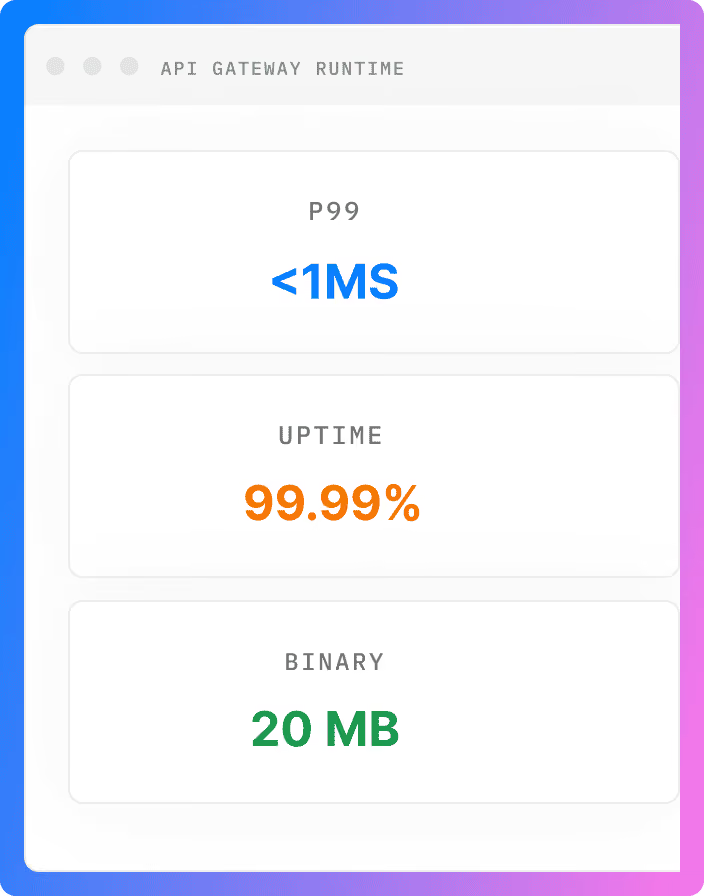
API gateway and management tools help organizations secure, monitor, control, and scale APIs in production environments. While design and testing tools support development, API gateways handle critical runtime responsibilities such as authentication, traffic management, rate limiting, analytics, and policy enforcement.
For API architects managing large API ecosystems, these tools provide centralized control over how APIs are exposed, secured, and consumed by internal and external applications.
Here are the best API gateway and management tools used by enterprise teams.
1. DigitalAPI
DigitalAPI is an API management platform designed to help organizations secure, govern, and manage APIs across their lifecycle. It enables teams to control API access, monitor usage, enforce policies, and simplify API integrations across internal systems and external partners. By centralizing API governance and visibility, DigitalAPI helps enterprises maintain control over complex API ecosystems while improving developer productivity.
Top Features
- Unified API management to manage, monitor, and govern APIs across multiple gateways and cloud environments.
- Centralized, AI-enabled API catalog that makes it easy to discover APIs and prevent API sprawl.
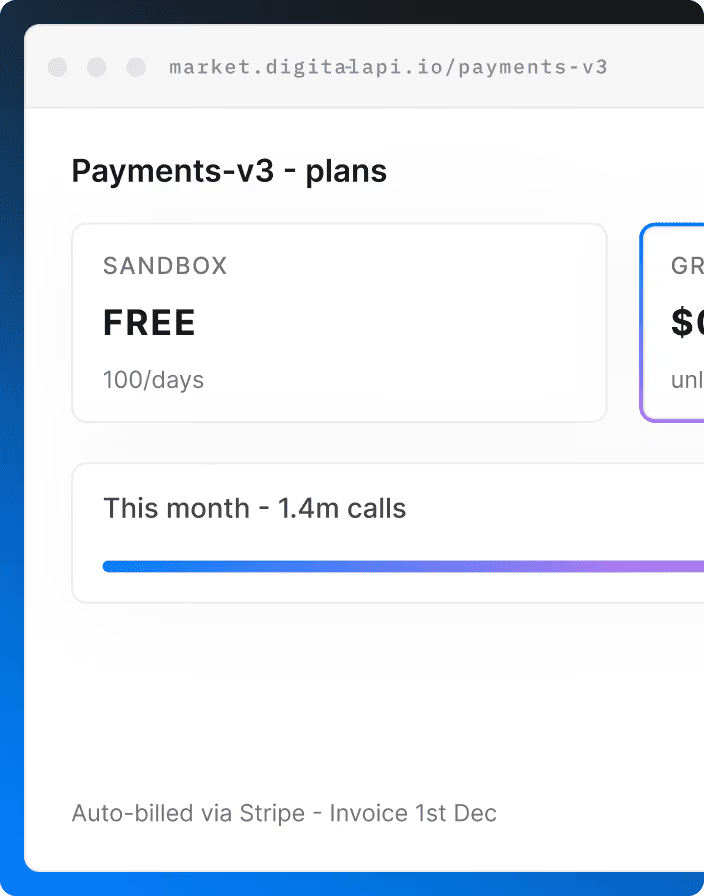
- White-labelled API marketplace for publishing APIs to internal and external consumers with built-in monetization and subscription management.
- Developer portal with self-serve onboarding, testing, and automated documentation.
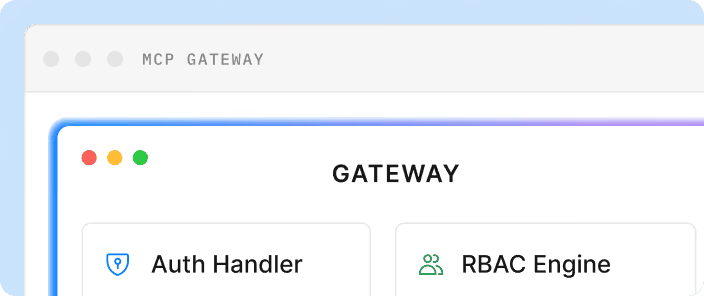
- Policy control, role-based access governance, and unified security across distributed APIs.
- In-depth analytics that provide insight into API usage, performance, and business metrics.
Pros
- Provides centralized API governance
- Improves API security and access management
- Helps monitor API usage and performance
- Simplifies management of large API ecosystems
Cons
- Requires initial platform setup and integration
- Advanced enterprise capabilities may require configuration
2. Kong
Kong Gateway is a widely used open-source API gateway built for high-performance microservices architectures. It sits between clients and backend services, handling API requests while providing security, authentication, and traffic control features. Kong is popular among organizations building cloud-native and microservices-based platforms.
Top Features
- High-performance API gateway
- Plugin-based architecture
- Authentication and authorization controls
- Rate limiting and traffic control
- Kubernetes and cloud-native integrations
Pros
- Highly scalable and performant
- Strong ecosystem and plugin library
- Works well with microservice architectures
- Open-source core version available
Cons
- Enterprise features require paid plans
- Configuration can be complex for beginners
- Requires infrastructure management
3. Google Apigee
Apigee is Google Cloud’s API management platform that helps organizations design, secure, monitor, and scale APIs. It provides enterprise-grade capabilities for managing APIs across distributed environments while offering analytics, security controls, and developer portal functionality.
Top Features
- Full API lifecycle management
- API analytics and monitoring
- Security policies and authentication management
- Developer portal for API consumers
- Integration with Google Cloud services
Pros
- Strong enterprise API governance capabilities
- Advanced analytics and monitoring tools
- Scalable infrastructure powered by Google Cloud
- Built-in developer portal features
Cons
- Can be expensive for large deployments
- Complex configuration for new users
- Best suited for organizations using Google Cloud
4. AWS
AWS API Gateway is a managed service that allows developers to create, publish, secure, and monitor APIs within the AWS ecosystem. It integrates with AWS services such as Lambda, EC2, and DynamoDB, making it a popular choice for organizations building serverless and cloud-native applications.
Top Features
- Fully managed API gateway service
- Support for REST, HTTP, and WebSocket APIs
- Built-in authentication and authorization
- Integration with AWS Lambda and other AWS services
- Monitoring through Amazon CloudWatch
Pros
- Fully managed infrastructure
- Deep integration with the AWS ecosystem
- Scalable and reliable
- Strong support for serverless architectures
Cons
- It can become expensive with high traffic
- Vendor lock-in within the AWS ecosystem
- Configuration can be complex for an advanced use case.
How to Choose the Right API Development Tool Stack?
Choosing the right API development tool stack is important for ensuring APIs are scalable, secure, and easy to manage across their lifecycle. Since very few tools handle every stage of API development, most organizations adopt a toolchain approach, combining design, testing, documentation, and management tools.
- Define your API architecture requirements: Start by identifying whether your APIs will follow REST, GraphQL, or event-driven architectures. The tool stack should support the specifications and protocols your organization plans to use.
- Prioritize API design standards: Choose tools that support widely adopted standards such as OpenAPI or AsyncAPI. Standardized API design improves consistency across teams and simplifies documentation generation.
- Evaluate testing and automation capabilities: API testing tools should support automated testing, request validation, and integration with CI/CD pipelines to ensure APIs remain stable during development and deployment.
- Consider API security and governance features: API gateways and management platforms should support authentication, authorization, rate limiting, and policy enforcement to protect APIs in production environments.
- Assess integration with your existing infrastructure: The tools should integrate easily with your current development ecosystem, including cloud platforms, CI/CD pipelines, version control systems, and monitoring tools.
- Evaluate scalability and performance: For enterprise environments with large API ecosystems, the platform should handle high traffic volumes while maintaining reliability and performance.
- Review collaboration and developer experience: Tools that provide shared workspaces, documentation portals, and testing environments help development teams collaborate more effectively.
- Compare total cost of ownership: Beyond licensing costs, consider infrastructure requirements, maintenance effort, and training needed for teams to adopt the tools.
Final Thoughts
Choosing the right API development tools is essential for building and managing APIs efficiently. Many organizations, however, end up stitching together multiple tools across the API lifecycle. This increases costs, adds operational complexity, and makes integrations harder to manage.
DigitalAPI simplifies this by bringing the entire API lifecycle into a single platform. From development and governance to discovery and analytics, teams can manage everything in one place without juggling multiple tools.
If you are looking to modernize how your organization develops and manages APIs, Book a quick call with us. We will walk you through how DigitalAPI can streamline your API development workflow.
FAQs
[fs-toc-omit]1. What are API development tools?
API development tools are platforms that help developers design, test, document, and manage APIs throughout their lifecycle. They support tasks such as defining API specifications, sending requests, validating responses, generating documentation, and managing API security and traffic in production environments.
[fs-toc-omit]2. What are the most popular API development tools?
Some of the most popular API development tools include Postman for API testing, Swagger for API design and documentation, Kong for API gateway management, Apigee for enterprise API management, and AWS API Gateway for cloud-based API deployment and monitoring.
[fs-toc-omit]3. What tools are used to test APIs?
API testing tools allow developers to send requests to endpoints, verify responses, and debug issues before deployment. Common API testing tools include Postman, Insomnia, SoapUI, and Hoppscotch, which help automate testing, validate API responses, and ensure APIs function correctly.
[fs-toc-omit]4. What is the difference between API development tools and API management tools?
API development tools help teams design, build, and test APIs during the development stage. API management tools are used after deployment to secure, monitor, and control API traffic, providing features such as authentication, rate limiting, analytics, and API gateway functionality.
[fs-toc-omit]5. Do companies use multiple API development tools?
Yes, most organizations use multiple API development tools because different tools support different stages of the API lifecycle. For example, teams may use one tool for API design, another for testing, and a separate platform for API gateway management and monitoring.
[fs-toc-omit]6. How do API architects choose the right API development tools?
API architects choose API development tools by evaluating factors such as API standards support, testing automation, security features, scalability, integration with existing infrastructure, and developer collaboration capabilities to ensure the tools support the entire API lifecycle.
Dhayalan Subramanian is Associate Director, Product Growth at DigitalAPI, where he leads go-to-market and product growth for the company’s multi-gateway API management platform. His work focuses on helping large enterprises and mid-market cloud companies consolidate APIs across AWS, Azure, Apigee, Kong, MuleSoft, and other gateways into a single control plane for governance, discovery, monetization, and agent consumption.
Dhayalan brings 14+ years of experience across product strategy, enterprise architecture, and engineering leadership. Earlier in his career, he held senior roles at Encora (as Associate Architect and Technical Manager), Mindtree (Technology Lead), Tech Mahindra (Technical Lead), and Primus Analytics, where he designed integration frameworks and delivered enterprise-grade digital platforms for global customers.
At DigitalAPI, he works directly with platform, integration, and developer experience leaders at Fortune 500 organizations to operationalize unified API catalogs, developer portals, and MCP-ready APIs. He writes regularly on API developer experience, API governance, and AI agent architectures.
One email a fortnight. Worth opening.
A short digest of what we're writing, what we're learning from customers, and the handful of links you'd actually want from us. No tracking pixels.

.avif)