



Designing Your 2026 API Strategy: Choosing Between Kong and Gravitee
The API management landscape has split into two distinct philosophies: the high-speed, REST-focused incumbents and the event-native challengers.

TL;DR
Kong is the established standard for high-speed REST connectivity while Gravitee serves as the event-native challenger optimized for asynchronous streaming and protocol mediation.
Architecturally, Kong leverages a lightweight NGINX core for sub-millisecond latency whereas Gravitee uses a reactive Java foundation to manage complex data flows like Kafka and MQTT.
When handling events, Kong acts as a secure TCP pipe for tunneling traffic while Gravitee actively translates protocols to turn REST requests into native messages.
Gravitee offers significant open-source value by including a Developer Portal and Identity Provider, features that Kong typically reserves for its paid enterprise tier.
DigitalAPI resolves the multi-gateway chaos by providing a single control plane to manage both platforms and instantly convert your APIs into AI-ready MCP agents.
The API management landscape has split into two distinct philosophies: the high-speed, REST-focused incumbents and the event-native challengers. At the center of this divide are Kong and Gravitee. Choosing between them isn't just about feature checklists. It's a fundamental decision about your data strategy. Do you double down on raw proxy performance (Kong), or do you pivot towards a reactive architecture that treats event streams as first-class citizens (Gravitee)?
In this guide, we analyze the engineering reality of these two platforms and break down their specific strengths, weaknesses, and ideal use cases based on real-world architectural requirements.
The contenders
At the heart of this comparison are two distinct platforms: Kong, the established industry standard for high-performance REST traffic, and Gravitee, the emerging leader in event-native management and protocol mediation.
Kong: The industry standard
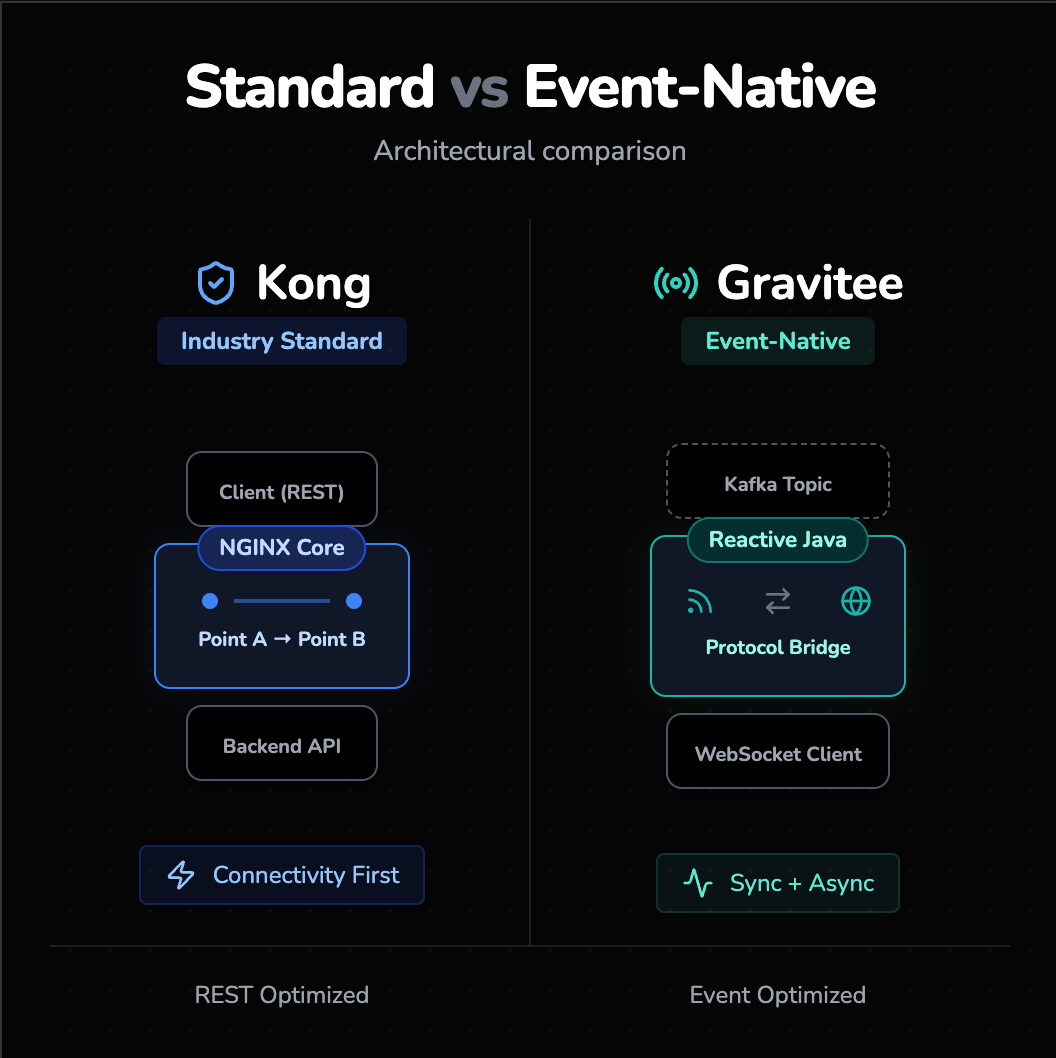
Kong is the definition of an industry standard. Kong’s philosophy is "Connectivity First." It excels at moving data from point A to point B with minimal latency. It is optimized for the request/response lifecycle of REST APIs. Over the years, Kong has built a massive ecosystem of plugins (both open-source and enterprise) that allows it to do almost anything, from authentication to log transformation, without modifying your backend code. It is the safe, high-speed choice for traditional API management.
Gravitee: The event-native challenger
Gravitee is the challenger that saw the event-driven future coming before many others did. It markets itself as an "Event-Native" API management platform. It handles REST traffic perfectly well, yet its architecture was designed to bridge the gap between synchronous and asynchronous protocols. Gravitee is built on a Reactive Java (Vert.x) foundation. This allows it to handle non-blocking, asynchronous tasks efficiently.
Strategic trade-offs
Deciding between Kong and Gravitee defines your architectural strategy for 2026. It is a choice between optimizing for proven, high-speed REST performance with a vast plugin ecosystem, or embracing a forward-looking, event-native foundation designed to mediate complex asynchronous streams like Kafka and MQTT.
- The Speed & Stability Path (Kong): You prioritize proven stability, the lowest possible latency for HTTP/REST traffic, and a vast ecosystem of developers who know the tool. You view events (Kafka) as a backend concern that the gateway should just tunnel through, not manage.
- The Event-Driven & Mediation Path (Gravitee): You view your architecture as a nervous system of events. You need a gateway that can "speak" Kafka and MQTT natively, mediating between different protocols (e.g., turning a webhook into a Kafka message). You are willing to trade a bit of raw proxy speed for deeper intelligence and flexibility in how data flows.
Head-to-dead comparison
The following table contrasts Kong and Gravitee across their fundamental engines, primary architectural focus, event handling capabilities, and identity strategies, providing an immediate reference point before we explore the deeper technical nuances below.
1. Architectural differences
Understanding the performance profile and operational costs of these tools requires looking under the hood. The underlying engine dictates everything from latency to memory consumption and even hiring requirements.
Kong architecture (NGINX)
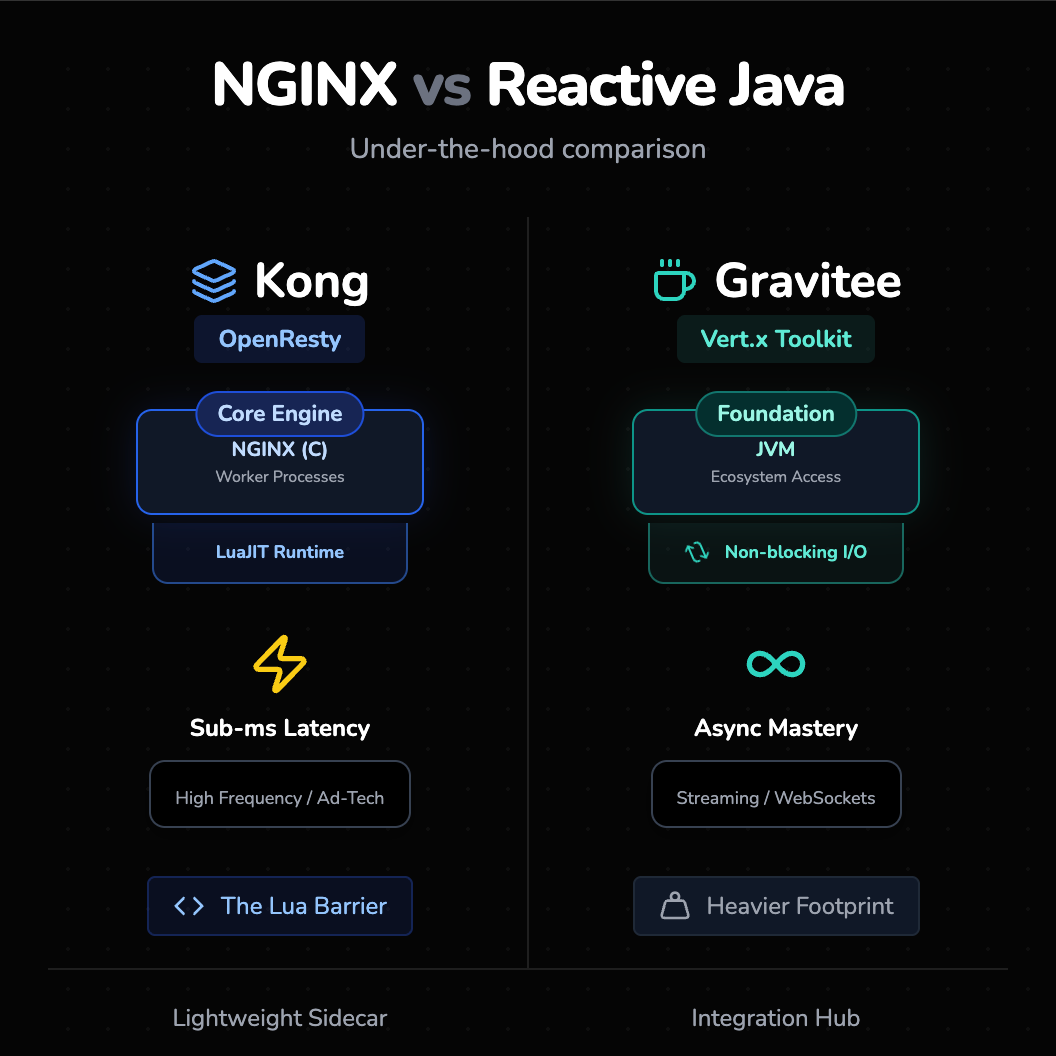
Kong is, at its core, an NGINX proxy wrapper with a LuaJIT (Lua Just-In-Time compiler) runtime. This is a potent combination often referred to as OpenResty.
- The Mechanics: NGINX is famous for its event-driven, asynchronous architecture. It uses a small, fixed number of worker processes (usually one per CPU core) to handle thousands of concurrent connections.
- The Benefit: Raw Speed. Because NGINX is written in C and LuaJIT is extremely efficient, Kong boasts incredibly low latency. It processes headers and routes traffic with sub-millisecond overhead.
- The Trade-off: The Lua Barrier. Customizing Kong requires writing plugins in Lua. Lua is a lightweight and elegant scripting language, but it is not Python, JavaScript, or Java. It is not a skill that the average full-stack developer possesses.
Gravitee architecture (Reactive Java)
Gravitee abandons the traditional proxy model in favor of a reactive architecture built on Java and the Vert.x toolkit. This non-blocking, event-driven engine allows the platform to handle massive concurrency and asynchronous data streams efficiently, leveraging the JVM’s ecosystem while avoiding the performance penalties of blocking I/O.
- The Mechanics: Reactive programming is designed for asynchronous data streams. Unlike traditional thread-per-request models (which choke under high load), Vert.x uses an event loop similar to Node.js but multi-threaded.
- The Benefit: Asynchronous Mastery. This architecture is what allows Gravitee to perform "Protocol Mediation" so effectively. It can hold a connection open, wait for a message from a Kafka topic, and push it down the pipe without consuming excessive thread resources.
- The Trade-off: The JVM Tax. Java has come a long way, but the JVM still requires more resources than a compiled C binary like NGINX. A cold boot of a Gravitee gateway will take longer than Kong, and the baseline memory footprint will be higher.
Architectural verdict
If you are running a massive Kubernetes cluster and want lightweight sidecars that spin up instantly, Kong’s footprint is advantageous. If you are building a complex enterprise integration hub that needs to handle heavy transformation logic and streaming, Gravitee’s JVM weight is a fair price to pay for its capabilities.
2. Event handling capabilities
For forward-looking architectures, this capability is often the deciding factor. As systems evolve from simple request-response patterns to complex event-driven meshes, the gateway’s role shifts significantly. We must examine how each platform handles the transition from synchronous HTTP traffic to asynchronous "fire-and-forget" protocols like Kafka and MQTT.
Kong: TCP proxying
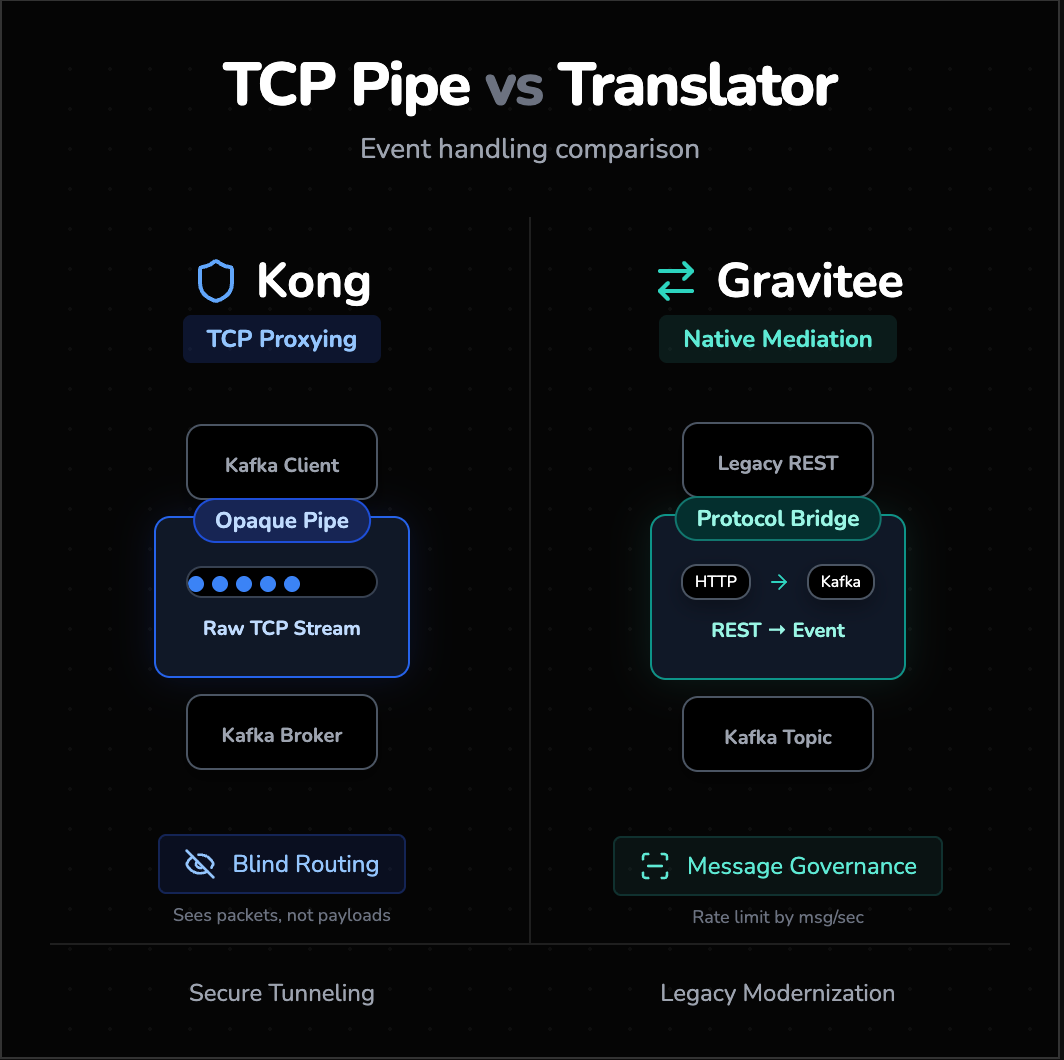
Kong views event streams primarily as TCP traffic. If you have a Kafka cluster behind Kong, Kong can certainly route traffic to it. Using its TCP/TLS proxy capabilities, it can securely tunnel connections from a client to a broker. However, to Kong, the content of that traffic is largely opaque. It sees packets, not payloads.
- The "Pipe" Philosophy: Kong acts as a highly efficient pipe. It ensures the pipe is secure (mTLS), not leaking (IP restriction), and not overflowing (connection limiting).
- The Limitation: It doesn't natively "understand" the event. You cannot easily configure Kong to say, "Take this incoming REST POST request, strip the JSON body, and publish it to the orders topic on my Kafka cluster" without significant custom plugin work or enterprise add-ons. It treats EDA (Event-Driven Architecture) as a routing problem, not a management problem.
Gravitee: native mediation
Gravitee elevates the event to be a first-class citizen, treating asynchronous data with the same rigorous governance as synchronous API calls. It introduces the powerful concept of Protocol Mediation, allowing you to seamlessly bridge the gap between RESTful clients and streaming backends like Kafka without writing complex glue code.
- The "Translator" Philosophy: Gravitee can act as a bridge between different protocols. It can ingest data from a client using a standard Webhook, WebSocket, or REST call, and then automatically translate and push that payload into a message broker like Kafka, MQTT, or RabbitMQ.
- The Power of Mediation: The ERP sends a POST request to Gravitee. Gravitee accepts it, transforms the payload, and publishes it to the Kafka topic. The ERP thinks it talked to a web server; the microservice thinks it received a native event. Gravitee handles the translation seamlessly.
- Message-Level Governance: Because Gravitee understands the message payload, it can apply policies at the message level. You can apply rate limits not just on "HTTP requests per minute" but on "Kafka messages per second." You can filter messages based on content (e.g., "Block any message containing PII") before they hit the broker.
Strategic implication
If your roadmap includes "exposing internal Kafka streams to external partners," Gravitee provides a much clearer path to doing this securely than Kong.
3. Security and identity management
Security remains the bedrock of API gateway adoption, yet Kong and Gravitee approach identity logic with fundamentally different philosophies. This divergence between external enforcement and integrated management shapes your entire security stack. We examine how each platform handles the critical question: where should your identity logic truly live?
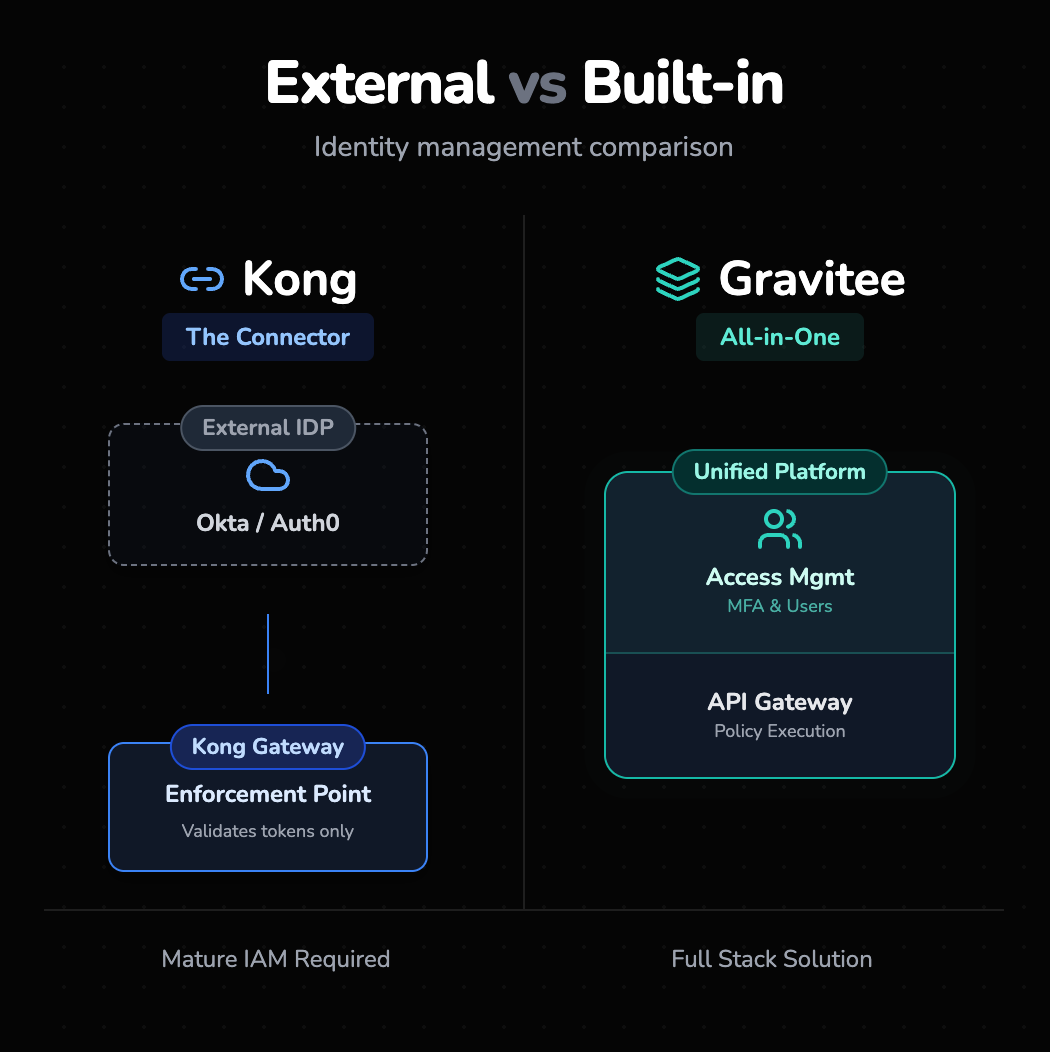
Kong: the connector (BYO-IDP)
Kong’s philosophy is "Best of Breed." It assumes that if you are sophisticated enough to use Kong, you are likely sophisticated enough to have a dedicated Identity Provider (IDP) like Okta, Keycloak, Auth0, or Azure AD.
- Enforcement Focus: Kong focuses on enforcing the rules set by your IDP. It excels at checking tokens (JWT validation), handling OIDC flows, and enforcing OAuth2 scopes.
- The Plugin Ecosystem: Kong has a rich library of plugins for every major identity standard. Setting up OIDC is a matter of configuration. However, Kong itself (in the open-source version) does not store users. It doesn't manage passwords, MFA, or user registration. It relies on the external source of truth.
Gravitee: the all-in-one (Built-in AM)
Gravitee takes a uniquely integrated "Battery Included" approach by bundling Gravitee Access Management (AM) directly into its platform. This creates a cohesive security stack where the API Gateway and a fully-featured Identity and Access Management solution work in concert, rather than relying solely on external connectors to third-party providers.
- Management Focus: Gravitee AM can actually be your IDP. It allows you to define security domains, manage users, handle user registration flows, and even implement advanced features like Biometric authentication (FIDO2) and Multi-Factor Authentication (MFA).
- The "Platform" Value: For a mid-sized enterprise or a startup that doesn't want to pay the exorbitant licensing fees of Okta or Auth0, Gravitee offers a massive value proposition. You get the Gateway and the Identity Provider in one stack.
Security verdict
- Choose Kong if you have a mature, entrenched IAM strategy (e.g., rigid reliance on Active Directory/Okta) and just need a gateway to enforce it.
- Choose Gravitee if you want to consolidate your stack or if you need granular control over the login experience (customizing the login pages, registration flows, etc.) without buying a separate tool.
4. Developer experience and portals
A robust Developer Portal is the critical bridge between your backend logic and the developers who consume it. It has evolved from simple static documentation into a dynamic ecosystem for onboarding, testing, and subscription management. This interface is often the primary factor driving adoption and reducing integration friction for your consumers.
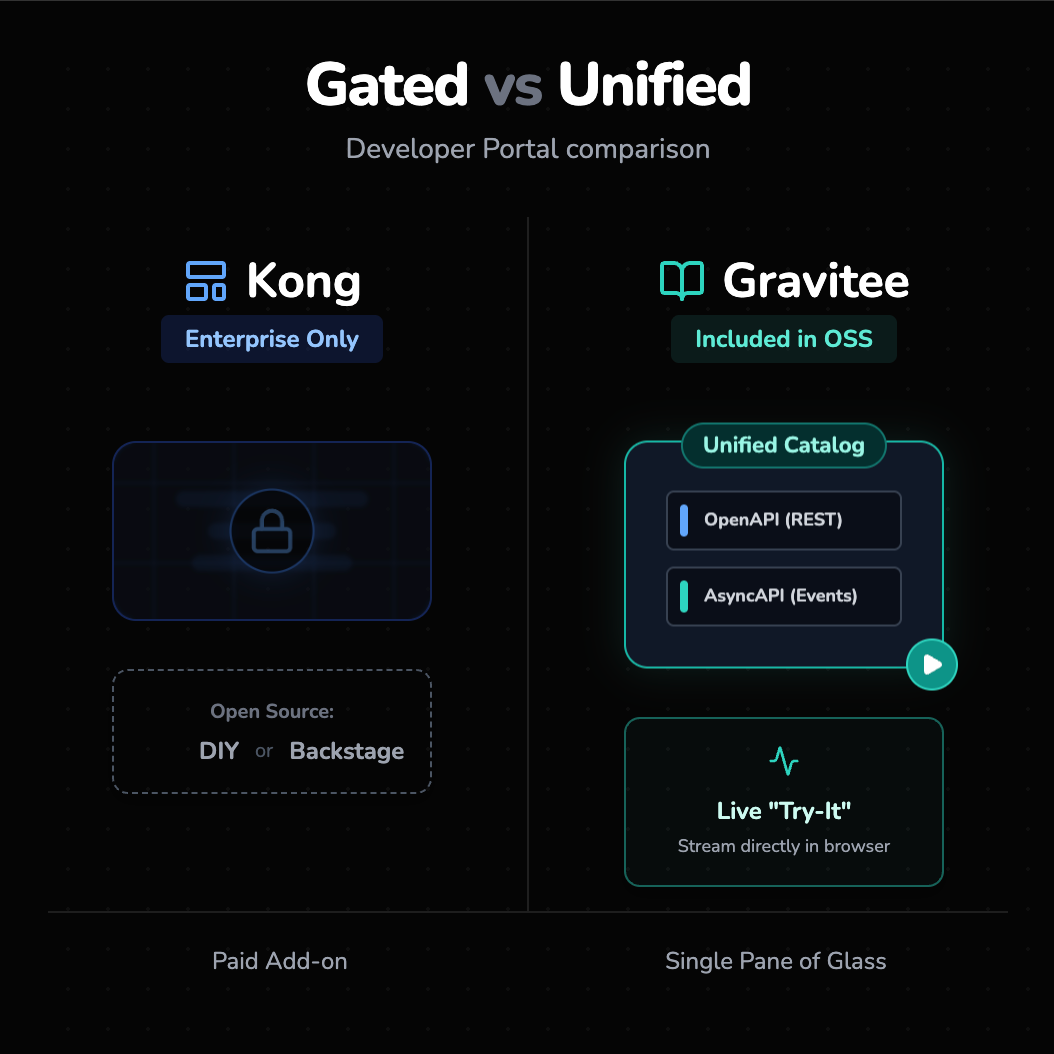
Kong developer portal
Kong delivers a highly capable and customizable Developer Portal designed to streamline API consumption. However, this feature acts as a key differentiator for their commercial offering. While the open-source version focuses on the runtime, the robust, GUI-based portal experience is primarily gated behind the paid Enterprise tier.
- Customization: The enterprise portal is highly customizable, allowing for branding, theming, and rigid role-based access control (RBAC). It integrates tightly with the Kong Manager.
- The "Spec-First" Flow: Kong supports the "Spec-First" development lifecycle, allowing you to upload Swagger/OpenAPI specs that auto-generate documentation. However, in the open-source version (Kong Gateway OSS), there is no GUI-based developer portal included out of the box.
Gravitee developer portal
Gravitee distinguishes itself by providing a comprehensive Developer Portal directly within its open-source foundational version, avoiding the paywalls common in competitors.
- REST + Events: In a modern architecture, a developer might need to call a REST API to get a user's profile, but subscribe to a WebSocket to get their live location. Gravitee’s portal allows you to publish OpenAPI (REST) and AsyncAPI (Event) specifications side-by-side.
- The "Try-It" Experience: Most portals have a "Try-It" button for REST APIs. Gravitee extends this concept to events. A developer can actually "subscribe" to a test stream directly in the browser to see the data flowing, which dramatically lowers the barrier to entry for consuming event-driven APIs.
DX verdict
If you are heavily invested in the "API Product" mindset where you treat APIs as products to be sold and consumed, Gravitee’s ability to document and monetize both REST and Event APIs in a single pane of glass is a significant advantage.
Selection decision matrix
For architects needing to justify a recommendation immediately, this binary decision matrix simplifies the complexity. By mapping your critical requirements (from traffic patterns and performance needs to identity strategy and team capabilities) directly to the optimal platform, you can confidently select the right tool for your architectural future.
The unified solution: DigitalAPI.ai
We have analyzed the two giants. But for 80% of the Fortune 500, the reality isn't just one gateway, it's many. You might run Kong at the edge for speed and Gravitee internally for event streaming.
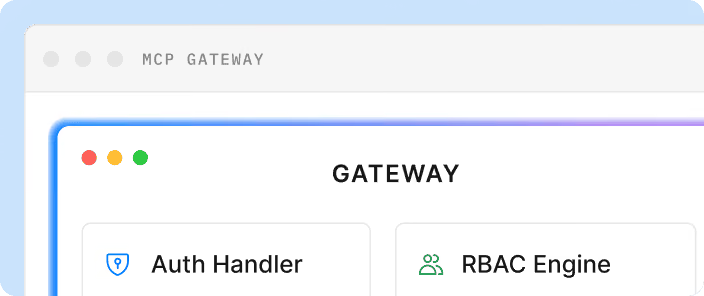
DigitalAPI.ai acts as the "Manager of Managers," a unified control plane that sits above your fragmented infrastructure. Instead of ripping and replacing, we unify your existing Kong and Gravitee clusters into a single, governable ecosystem.
See how teams manage multiple gateways without migration and centralize governance across Kong, Gravitee, Apigee & AWS.
Key solutions
- Unified API Management: Manage configurations, policies, and lifecycles across multiple gateways (Kong, Gravitee, Apigee, AWS) from a single dashboard.
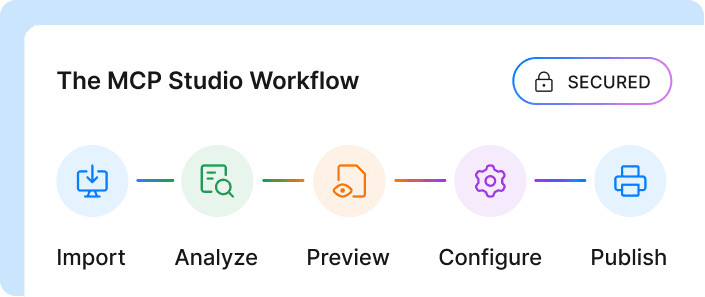
- AI-Agent Readiness (MCP): Automatically generate Model Context Protocol (MCP) servers for your existing APIs, making them instantly consumable by AI agents like Claude and OpenAI.
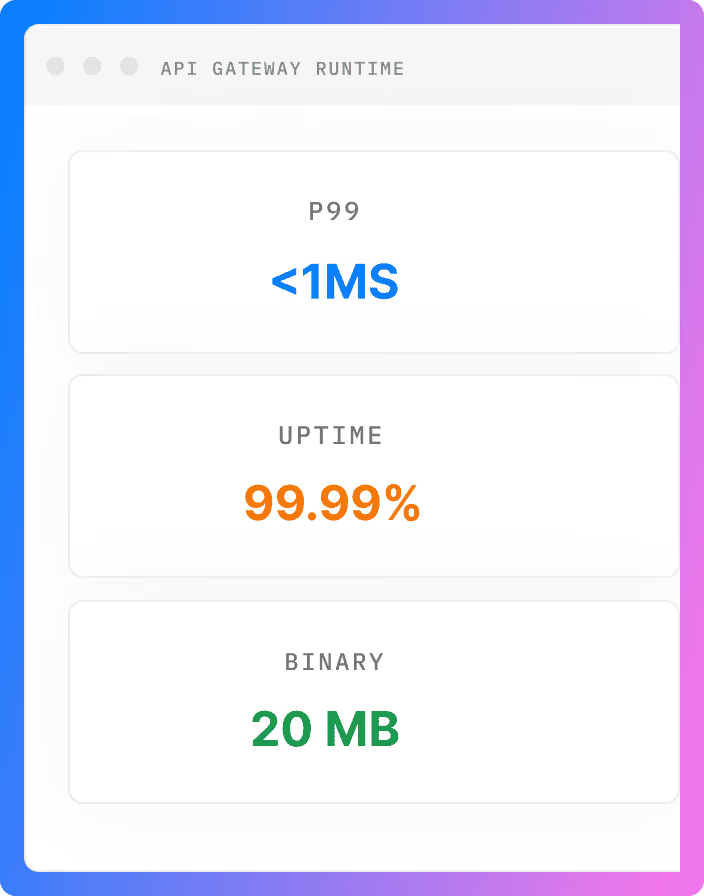
- Arelio API Gateway: Deploy our ultra-lightweight, MCP-native gateway for edge cases where NGINX or Java are too heavy.
- Centralized Governance: Define security policies once and enforce them globally across all your gateways to prevent configuration drift.
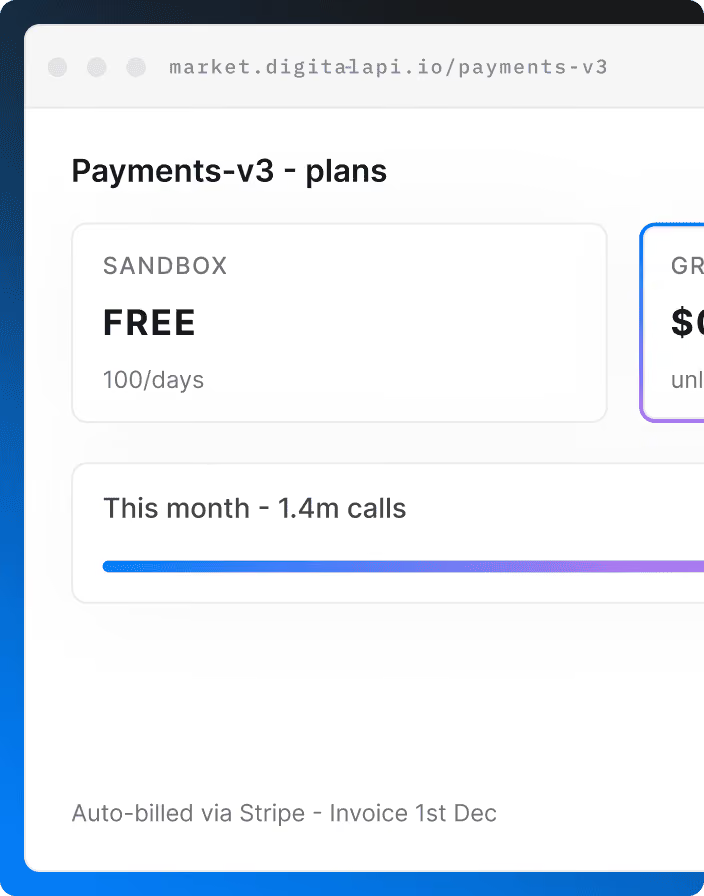
- Universal API Marketplace: Publish REST and Event APIs from any source into a branded, white-label marketplace for internal reuse or external monetization.
If you’re evaluating broader options beyond Kong, explore the top Kong alternatives reviewed by our engineering teams.
The verdict
The "Kong vs. Gravitee" debate isn't about which tool is "better"; it's about which tool fits your architectural destiny.
If your future is built on high-speed synchronous microservices, Kong remains the undisputed king of the road. It is lean, mean, and battle-hardened.
If your future is built on an event-driven mesh where data streams need to be managed, mediated, and governed, Gravitee is the visionary platform that has built the tooling you will need.
And if your reality, like most enterprises, is "all of the above," DigitalAPI.ai is the platform that brings order to the chaos.
Frequently asked questions
Let’s wrap up by addressing the specific questions we hear most often from our clients.
1. Is Gravitee really "heavier" to run than Kong?
Yes. Kong runs as a native C binary, starting in milliseconds with low memory. Gravitee uses the JVM, requiring more RAM and seconds to boot. But heavier isn't slower. Once warm, Gravitee offers massive throughput for concurrent connections.
2. Can Kong transform REST to Kafka?
Not natively. Kong can proxy traffic or push logs, but transforming REST payloads to Kafka messages requires custom Lua plugins or enterprise modules. Gravitee handles this flow out-of-the-box via its visual policy editor.
3. Which has better Open Source features?
Gravitee wins on breadth. Its community edition includes the Gateway, Management API, and a UI/Portal. Kong OSS is a powerful runtime but lacks a native GUI or developer portal, requiring Enterprise upgrades or third-party tools.
4. How does DigitalAPI.ai fit if I already have Kong?
We enhance your Kong investment. DigitalAPI installs as an overlay to provide analytics and governance without expensive modules. It turns Kong APIs into MCP servers for AI agents, a capability Kong lacks natively. You can also manage hybrid setups like Gravitee alongside Kong in one dashboard.
Rajanish GJ is Chief Technology Officer at DigitalAPI, the multi-gateway API management platform that helps large enterprises consolidate API discovery, governance, monetization, and AI agent enablement across heterogeneous gateway environments, including Apigee, AWS API Gateway, Azure API Management, Kong, and MuleSoft.
Rajanish brings 20+ years of engineering leadership to the role. He spent formative years at Apigee, the API management platform now part of Google Cloud and widely regarded as the category’s foundational product, and at Google itself, where he worked on developer-facing infrastructure at scale. That operator background informs DigitalAPI’s architectural bets around gateway abstraction, MCP-ready APIs, and agent-native developer experience.
He writes regularly on API architecture, developer infrastructure, and AI-native API management, with particular focus on how engineering teams can future-proof their API platforms for the agent era.
One email a fortnight. Worth opening.
A short digest of what we're writing, what we're learning from customers, and the handful of links you'd actually want from us. No tracking pixels.

.avif)