



Top Tyk Alternatives for Enterprise API Management
Tyk is a fast, lightweight open-source API gateway written in Go. It’s popular for its "batteries-included" approach, offering great features out-of-the-box.

TL;DR: The shortlist
Teams often outgrow Tyk due to the high operational complexity of self-hosting at scale, limited analytics in free tiers, and the lack of native monetization tools for treating APIs as products.
Best Tyk Alternatives include DigitalAPI.ai, Kong, Apigee, Gravitee, WSO2, NGINX, MuleSoft, Amazon API Gateway, Azure API Management.
It is a frequent mistake to focus only on gateway speed while ignoring management overhead, failing to plan for future monetization needs, and locking into a single cloud provider.
You likely chose Tyk for its lightweight, open-source promise, a "batteries-included" gateway perfect for agile teams. But as your ecosystem expanded into microservices and multi-cloud environments, the operational burden of managing self-hosted clusters and synchronization likely slowed your engineering velocity.
It’s clear that managing isolated gateways isn't sustainable for a scaling enterprise. Tyk's free tier often falls short on analytics and monetization, locking critical governance features behind enterprise licenses. If you need better visibility and a platform that treats APIs as products, it’s time to find a solution that fits your future architecture.
What is Tyk?
Tyk is a fast, lightweight open-source API gateway written in Go. It’s popular for its "batteries-included" approach, offering great features out-of-the-box. However, scaling often brings heavy operational overhead, and advanced enterprise features like multi-data center sync are locked behind costly paid tiers.
Why companies look beyond Tyk?
Tyk is powerful, but it is not a silver bullet. Engineering teams frequently look for alternatives due to specific limitations that emerge as they scale from a single cluster to a global operation.
Operational complexity at scale
- Ops teams find that managing self-hosted clusters at scale requires significant resources.
- Tyk is easy to start, but managing a distributed control plane across multiple regions, ensuring data synchronization, and handling upgrades can become a burden.
- Organizations often reach a tipping point where they want a managed service or a more unified control plane rather than managing the infrastructure themselves.
Steep learning curve for extensions
- You often need knowledge of Go to extend Tyk effectively.
- Go is a popular language, yet it is not as ubiquitous as JavaScript or Python in general enterprise scripting, nor does it have the massive plugin ecosystem of Lua (used by Kong).
- This acts as a barrier for teams used to other languages who want to write custom middleware or transformation logic without learning a new stack.
Limited analytics in free tiers
- Deep visibility and real-time monitoring are often restricted in the free version, creating blind spots.
- Tyk provides basic metrics, but enterprise teams need granular observability.
- You might need to trace a specific request through multiple services, analyze error rates by customer segment, or debug latency spikes in real-time.
Top 9 Tyk alternatives
We have analyzed the leading contenders in the API management space, focusing on their unique strengths, architectural trade-offs, and ideal use cases. The table below provides a quick comparison of deployment models and pricing to help you narrow down your options before diving into the details.
| Platform | Deployment | Pricing Model | Best For |
|---|---|---|---|
| DigitalAPI | Managed / Self-hosted | Enterprise Value | Multi-gateway mgmt & Monetization |
| Kong | Self-hosted / Cloud | Free / Service-based | High-performance Microservices |
| Apigee | Managed / Hybrid | Subscription / Usage | Enterprise Governance |
| Gravitee | Self-hosted / Hybrid | Open Source / Enterprise | Event-driven Architectures |
| AWS | Fully Managed | Pay-as-you-go | Serverless AWS Workloads |
| WSO2 | Self-hosted | Free / Support Sub | 100% Open Source Stack |
| MuleSoft | Cloud / Hybrid | vCore Subscription | Heavy Enterprise Integration |
| NGINX | Self-hosted | Free / Subscription | Raw Performance Routing |
| Azure | Managed / Hybrid | Hourly Tiered | Microsoft / .NET Shops |
1. Arelio API Gateway by DigitalAPI (Book a demo)
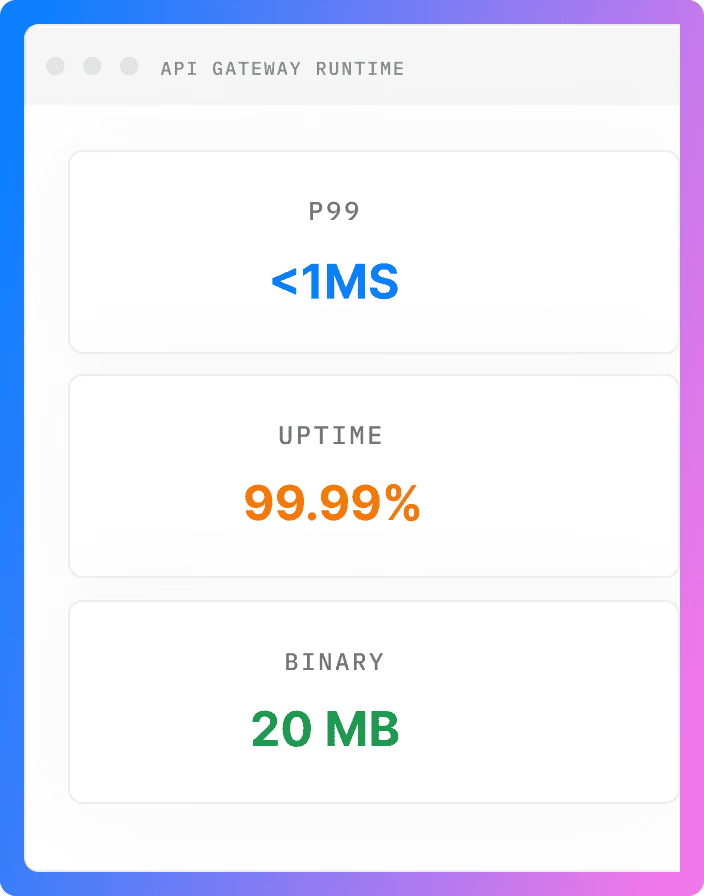
DigitalAPI takes a unique approach to the market. It is not just a gateway; it is a unified control plane designed to tame API sprawl. In a world where companies often end up with multiple gateways (e.g., AWS for cloud, Tyk for on-prem), DigitalAPI offers a layer of intelligence that sits above them all.
It allows you to manage your entire API estate, including existing Tyk, Kong, or AWS instances, from one dashboard. For new projects, its Arelio API Gateway offers a high-performance, AI-ready alternative that prioritizes proactive traffic management.
You can overlay DigitalAPI’s control plane to gain centralized governance, analytics, and a unified catalog. For greenfield projects, the Arelio API Gateway component uses an AI-driven engine to handle traffic routing decisions based on real-time service health rather than static algorithms.
Key features
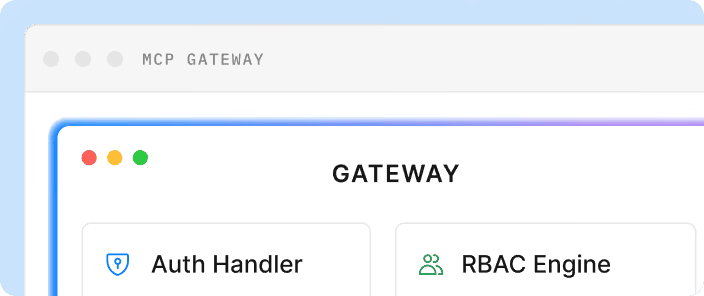
- Unified control plane: This is the flagship feature. You can import and manage policies, analytics, and lifecycles across all your gateways (gateway-agnostic). It breaks down silos between teams using different underlying technologies.
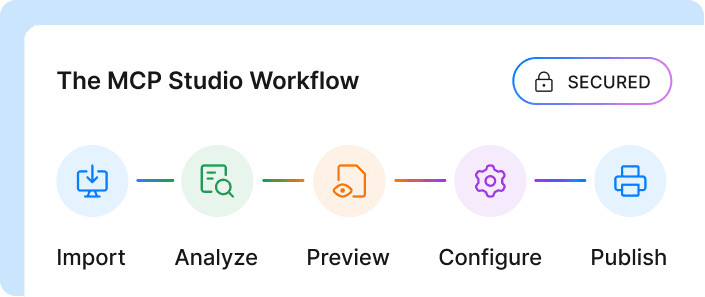
- API marketplace: DigitalAPI includes a branded, white-label storefront. You can publish APIs from any connected gateway into this marketplace, allowing internal or external developers to discover, subscribe, and test endpoints instantly.
- AI-powered routing: The Arelio API Gateway utilizes AI to analyze traffic patterns in real-time. It can intelligently reroute traffic based on service health and predictive latency modeling to prevent downtime before it impacts users.
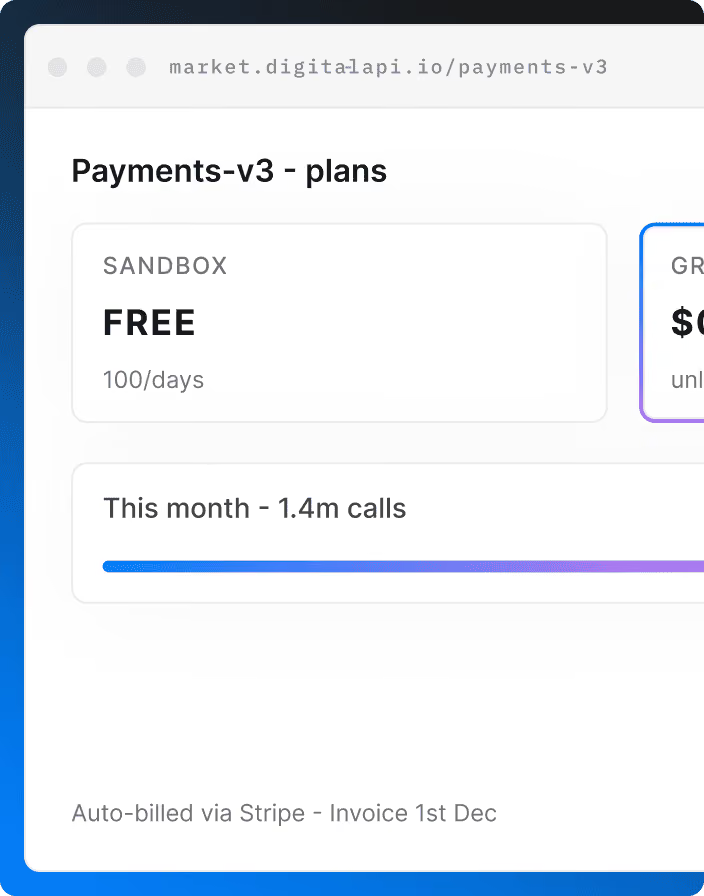
- Monetization: It features built-in billing integration with Stripe. You can define subscription tiers (Bronze, Silver, Gold) or usage-based models (per API call) and handle the entire checkout flow natively without custom coding.
Pros & cons
- Pros: Eliminates vendor lock-in by managing any gateway; unifies fragmented estates; simplifies monetization with a "business-in-a-box" approach; AI-native features future-proof the stack against agentic workloads.
- Cons: Newer player in the market compared to legacy giants like Apigee; the ecosystem of third-party plugins is growing but is currently smaller than Kong’s vast library.
Best fit: Enterprises managing multiple gateways needing a single pane of glass and rapid monetization.
2. Kong Gateway
Kong is the industry standard for open-source API gateways. Built on the battle-tested NGINX proxy and extended with Lua, it is optimized for raw speed and modularity. It is widely considered the default choice for Kubernetes-native environments where performance is non-negotiable.
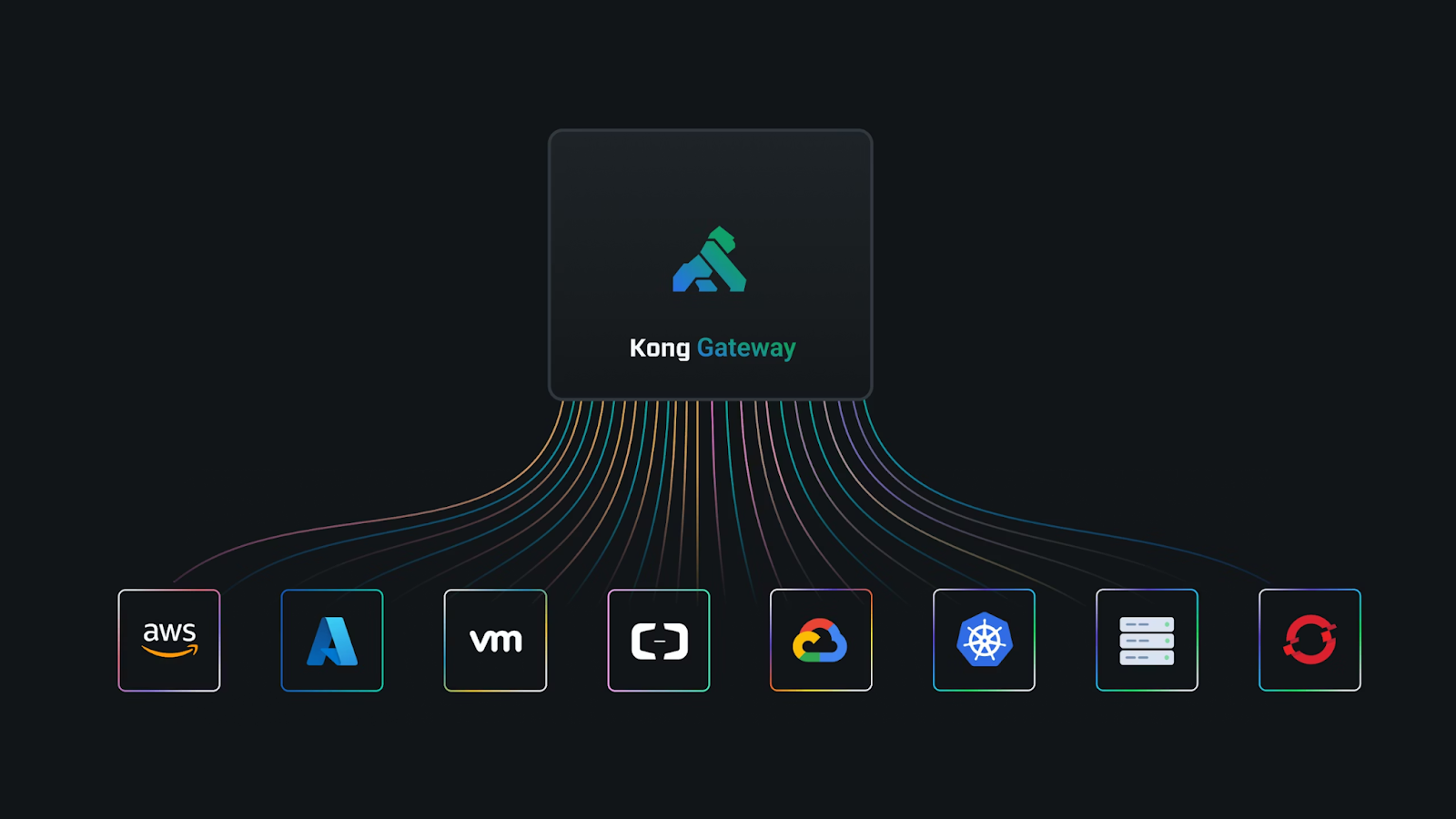
Kong runs as a lightweight proxy that sits in front of your upstream services. It is designed to be decentralized, often deployed as a sidecar or an ingress controller. Its database-less mode allows for easy declarative configuration, making it a favorite for GitOps workflows where infrastructure is managed as code.
Key features
- Performance: Kong leverages NGINX to deliver sub-millisecond latency. It processes headers and routes traffic with minimal overhead, making it suitable for high-frequency trading, ad-tech, or real-time gaming use cases.
- Plugin ecosystem: It boasts a massive library of plugins. You can add functionality for authentication (OIDC, LDAP), traffic control (canary releases, circuit breakers), and observability (Datadog, Prometheus) with simple configuration changes.
- Kubernetes native: Kong functions as an Ingress Controller managed via Custom Resource Definitions (CRDs). This allows DevOps teams to manage API configuration as code (YAML) directly alongside their application deployments.
Pros & cons
- Pros: Extremely fast; highly extensible via Lua plugins; vast open-source community; fits perfectly into GitOps workflows; supports hybrid deployments across clouds.
- Cons: The open-source version lacks a GUI (Kong Manager is enterprise-only); advanced features like OIDC and GraphQL caching require an enterprise license; Lua knowledge is required for writing custom plugins.
Best fit: DevOps teams building high-performance microservices in Kubernetes needing low latency.
3. Apigee (Google Cloud)
Apigee is a heavyweight platform designed for total API lifecycle management. Acquired by Google, it is less of a proxy and more of a complete "API Product" factory. It focuses heavily on governance, security, and maximizing the business value of APIs through monetization and partner management.
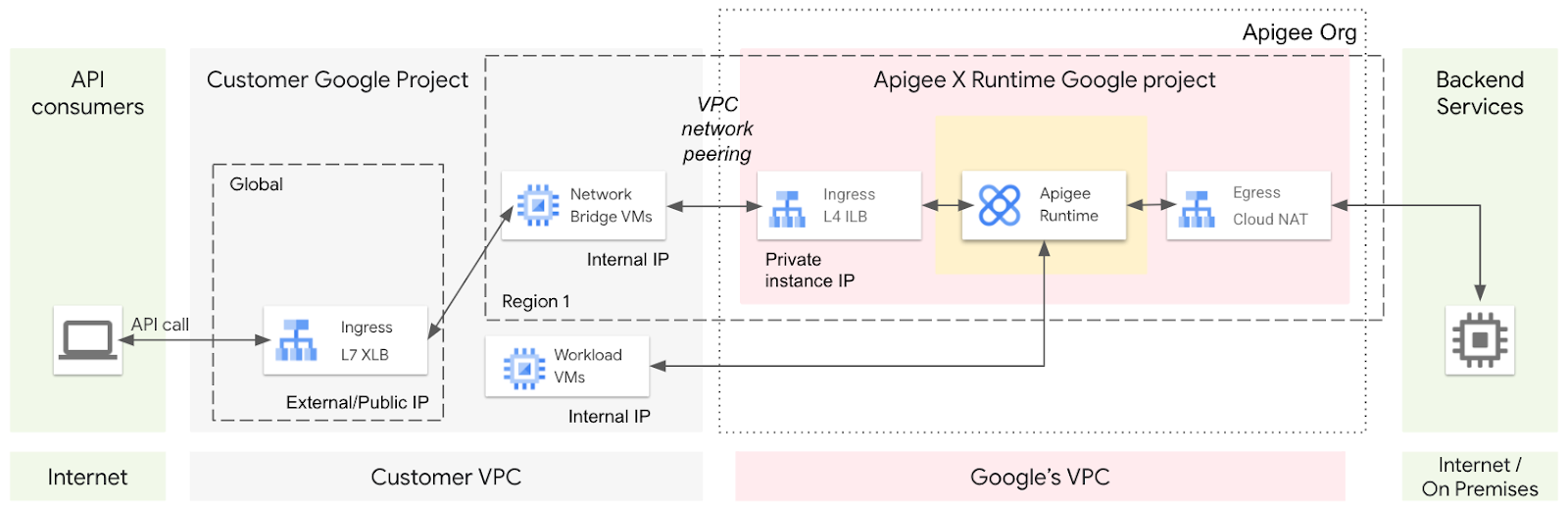
Apigee uses a centralized architecture. Traffic flows through managed proxies that sit between consumers and backend services. It is designed as a sophisticated mediation layer where you can transform data (SOAP to REST), enforce security, and analyze traffic. It is often described as a "control tower" for digital assets.
Key features
- Advanced monetization: Apigee sets the standard for monetization. It includes sophisticated rate planning, revenue sharing models, and billing engines built-in, allowing telcos and banks to run complex API businesses out of the box.
- Security: It offers deep integration with Google Cloud Armor for advanced threat protection. The platform includes pre-built policies for detecting bot attacks, SQL injection, and data exfiltration, ensuring enterprise-grade security.
- Analytics: It provides business-level dashboards that track revenue, developer adoption, and traffic trends. Product managers can see exactly which partners are driving value and where churn is happening.
Pros & cons
- Pros: Best-in-class tools for treating APIs as products; deep integration with Google Cloud services (BigQuery, IAM); strong enterprise support; rich policy engine for complex logic.
- Cons: Expensive and complex to set up; high latency compared to lightweight proxies like Kong due to the heavy policy engine; significant vendor lock-in to the Google ecosystem.
Best fit: Large enterprises in banking or retail focused on rigid governance and monetization.
4. Gravitee
Gravitee is positioning itself as the "event-native" API management platform. While it handles traditional REST APIs well, its unique value proposition is its ability to manage asynchronous event streams like Kafka, MQTT, and WebSockets with the same rigor as REST.
Gravitee uses a reactive engine built on Vert.x (Java). This non-blocking architecture allows it to handle massive concurrency and long-lived connections (like WebSockets) efficiently. Unlike standard REST gateways that just proxy requests, Gravitee acts as a protocol mediator, bridging synchronous clients with asynchronous backends.
Key features
- Protocol mediation: Gravitee natively translates between protocols. A client can make a standard HTTP POST request, and Gravitee can transform that into a Kafka message and push it to a topic. This bridges the gap between modern event architectures and legacy apps.
- Unified portal: It documents both API (OpenAPI) and event (AsyncAPI) specifications in one single portal. Developers can discover a REST endpoint alongside a WebSocket stream in the same catalog, simplifying the consumption experience.
- Access management: The platform includes a built-in Identity and Access Management (IAM) provider. You can manage users, roles, and multifactor authentication (MFA) without buying a separate tool like Okta or Auth0.
Pros & cons
- Pros: Unique ability to manage event-driven architectures; bridges REST and Event worlds; includes IAM capabilities in the stack; open-source core is feature-rich.
- Cons: JVM-based architecture is heavier and slower to boot than Kong’s NGINX core; the community is smaller than Kong or Tyk, meaning fewer community plugins are available.
Best fit: Teams transitioning to event-driven architectures needing to expose streams to partners.
5. WSO2 API Manager
WSO2 offers a 100% open-source API management solution. Unlike "open core" models where the best features are paid, WSO2 releases its full feature set as open source. It is part of a larger middleware stack designed for heavy integration and complex enterprise requirements.
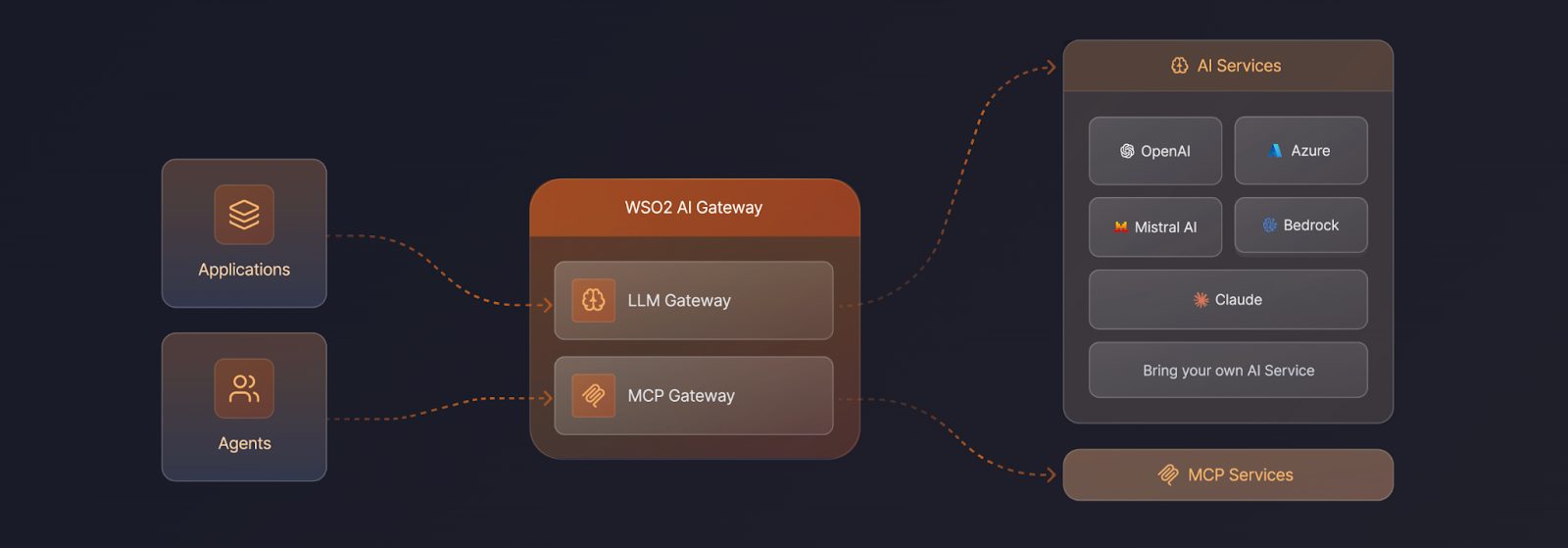
WSO2 is built on Java and follows a componentized architecture. It includes separate profiles for the Gateway, Key Manager, Traffic Manager, and Publisher. This allows for distributed deployments where each component can be scaled independently based on load.
Key features
- Full lifecycle management: It includes the gateway, publisher, developer store, key manager, and traffic manager components all in the open-source distribution. You get the full suite without license keys.
- Integration focus: It deeply integrates with WSO2’s Enterprise Integrator. This allows for complex orchestration, message transformation, and protocol bridging beyond simple proxying, effectively acting as an ESB and Gateway in one.
- Identity server: WSO2 includes a powerful Identity Server for managing complex federation, SSO, and user management scenarios. It supports adaptive authentication and fine-grained access control.
Pros & cons
- Pros: No feature lock-in (everything is open source); highly customizable for complex integrations; strong identity management capabilities; flexible deployment options.
- Cons: High operational overhead to manage and maintain the Java-based stack; the UI can feel dated compared to modern SaaS tools; upgrades can be complex and time-consuming.
Best fit: Enterprises requiring a 100% open-source stack with deep integration capabilities.
6. NGINX API Gateway
NGINX is the web server that powers much of the internet. Using it as a pure API gateway provides unmatched performance and reliability. It strips away the management overhead to focus purely on routing packets efficiently.
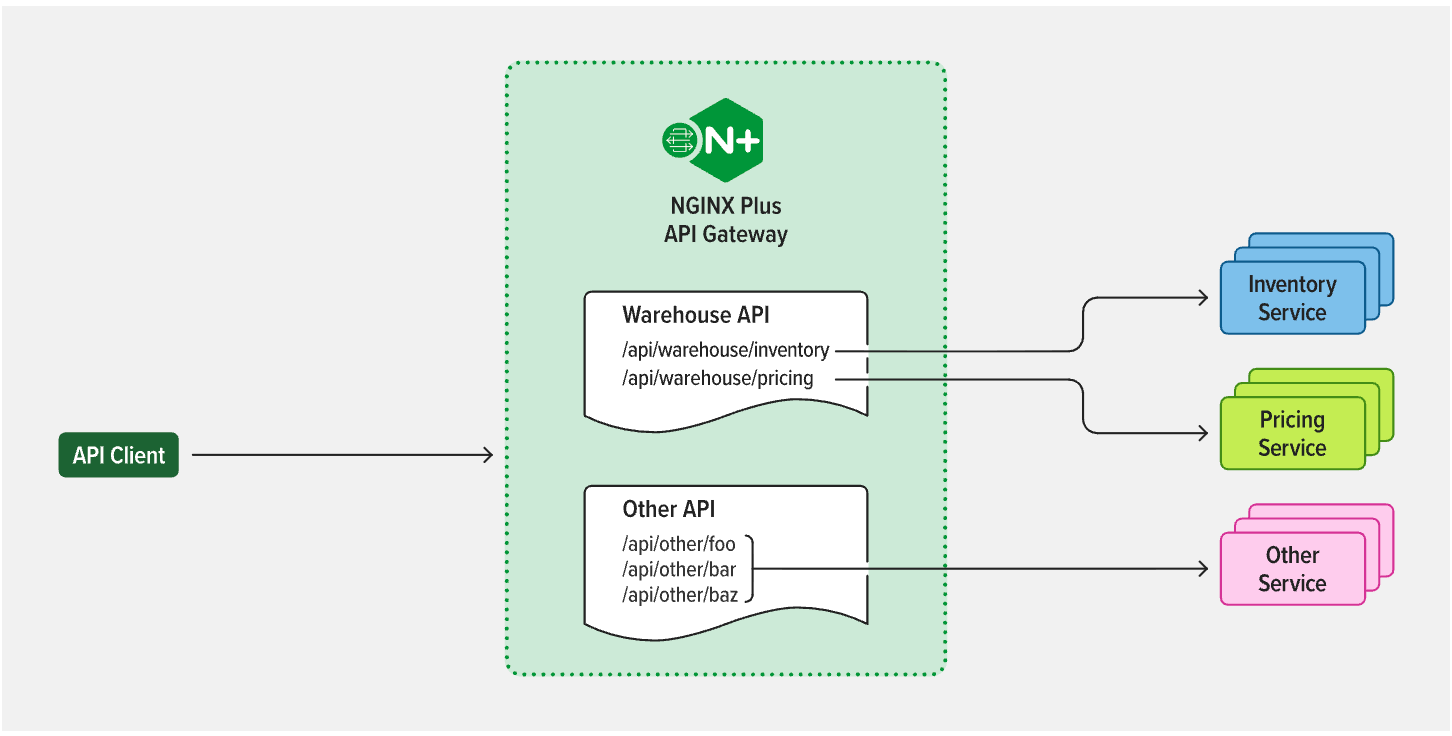
NGINX uses an asynchronous, event-driven architecture. It handles requests in a non-blocking manner, allowing a single worker process to handle thousands of connections. This architectural efficiency is why it serves as the underlying engine for many other gateways, including Kong.
Key features
- Speed: NGINX is legendary for handling massive concurrency with very low memory usage. It is the gold standard for raw throughput and is ideal for handling traffic spikes.
- Simplicity: It is configured via standard NGINX configuration files (nginx.conf). There is no database to manage, no complex control plane, just text files and binaries.
- Load balancing: It includes robust traffic distribution capabilities, including active health checks, session persistence, and weighted routing, ensuring high availability for backend services.
Pros & cons
- Pros: Incredibly fast and stable; widely understood technology; zero dependencies; excellent for edge routing; extremely low resource footprint.
- Cons: Lacks native API management features like a developer portal, GUI, or analytics dashboard; managing complex configs manually scales poorly; no native monetization tools.
Best fit: Performance-critical edge routing where advanced management features are unnecessary.
7. MuleSoft Anypoint
MuleSoft is primarily an integration platform (iPaaS) rather than just a gateway. It is designed to connect disparate systems, from legacy mainframes to modern cloud apps, creating a "network of applications."
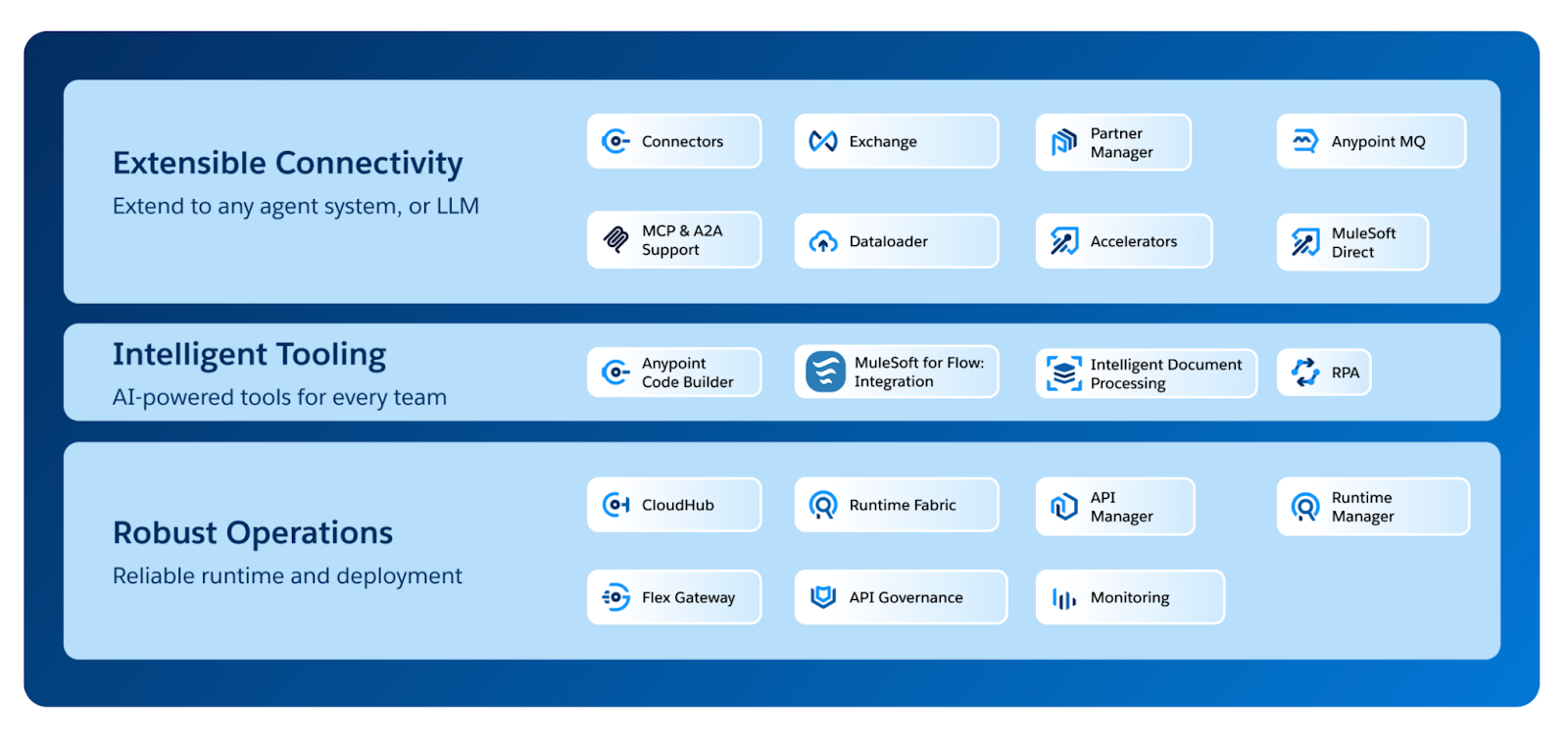
MuleSoft operates on a runtime engine called Mule. It uses an "API-led connectivity" approach, encouraging a three-layered architecture: System APIs (unlocking data), Process APIs (orchestrating logic), and Experience APIs (serving consumers). This architecture promotes reuse and modularity across the enterprise.
Key features
- Universal connectivity: MuleSoft offers pre-built connectors for virtually any enterprise system (SAP, Salesforce, Oracle, NetSuite). It makes unlocking legacy data easy and eliminates the need for custom code.
- Data transformation: It excels at complex data mapping (DataWeave), allowing you to transform XML to JSON, CSV to EDI, and more within the gateway layer.
- Centralized governance: It provides centralized control over integrations and APIs, ensuring that every connection adheres to corporate standards and security policies.
Pros & cons
- Pros: Unmatched power for unlocking data from legacy silos; strong visual orchestration tools; huge library of connectors; comprehensive lifecycle management.
- Cons: Very expensive; heavyweight and overkill for simple API proxying; steep learning curve for the proprietary Mule language and tools.
Best fit: Enterprises with complex integration needs requiring deep connections to legacy systems.
8. AWS API Gateway
This is the default choice for teams building inside the AWS ecosystem. It is a fully managed service that scales automatically with your traffic, removing the need to manage servers or clusters.
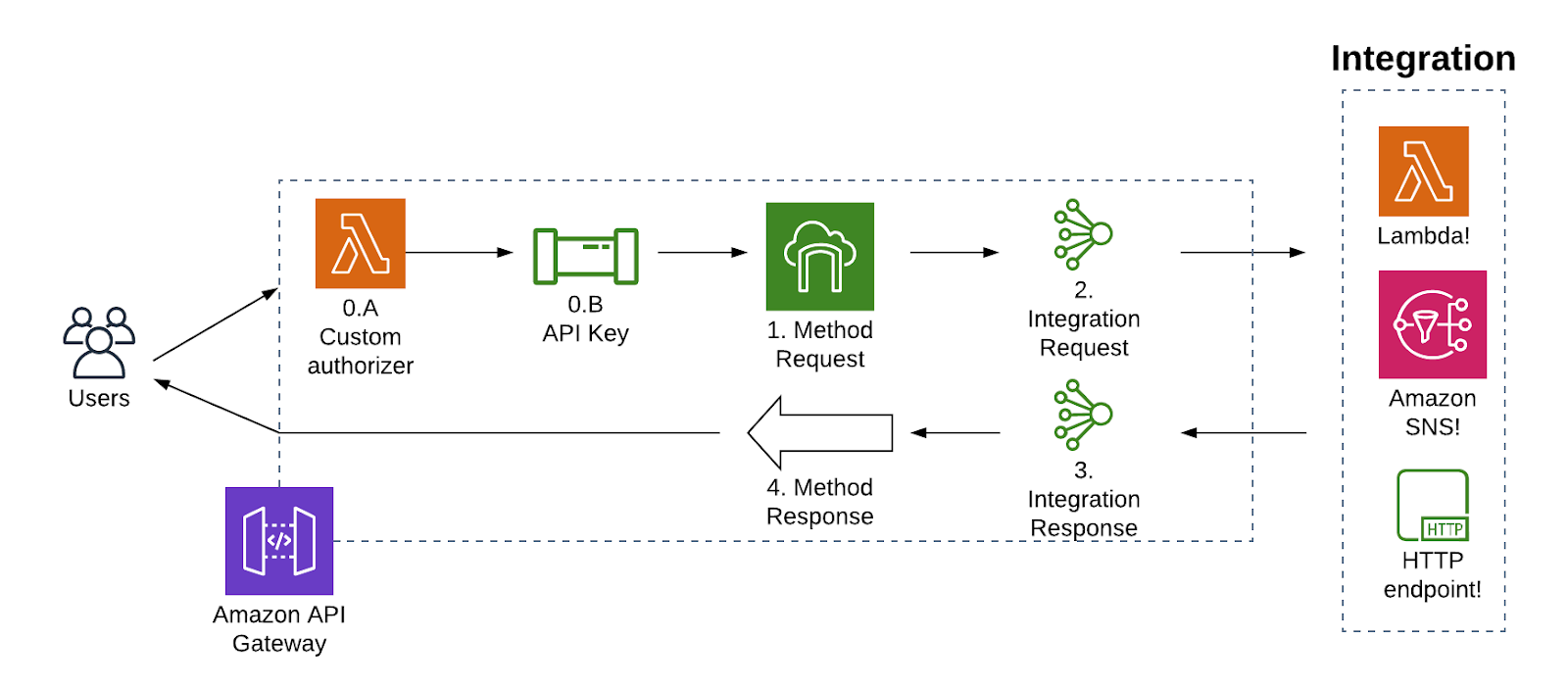
AWS API Gateway is a multi-tenant, distributed service managed by AWS. It acts as a "front door" for applications running on EC2, Lambda, or any web application. It handles all the heavy lifting involved in accepting and processing up to hundreds of thousands of concurrent API calls.
Key features
- Serverless architecture: There is no infrastructure to provision or manage. You just define your API, and AWS handles the rest, scaling from zero to millions of requests seamlessly.
- Native integration: It connects natively to AWS Lambda, DynamoDB, SNS, and Kinesis. You can build a full API without writing a dedicated backend server, reducing code and maintenance.
- Security: It integrates with AWS Shield for DDoS protection and AWS WAF for application layer security. Authentication is handled via AWS Cognito or IAM roles, leveraging existing AWS security postures.
Pros & cons
- Pros: Zero maintenance; infinite scalability; tight integration with AWS services; pay-as-you-go model is cheap for low volume; accelerates serverless development.
- Cons: High vendor lock-in; becomes expensive at very high volume; latency can be higher due to "cold starts" and network hops; limited observability outside of CloudWatch.
Best fit: Serverless applications and microservices built entirely within the AWS ecosystem.
9. Azure API Management
For Microsoft-centric shops, Azure API Management (APIM) is the logical equivalent. It provides a managed gateway with strong integration into the Azure ecosystem and on-premise capabilities via Azure Arc.
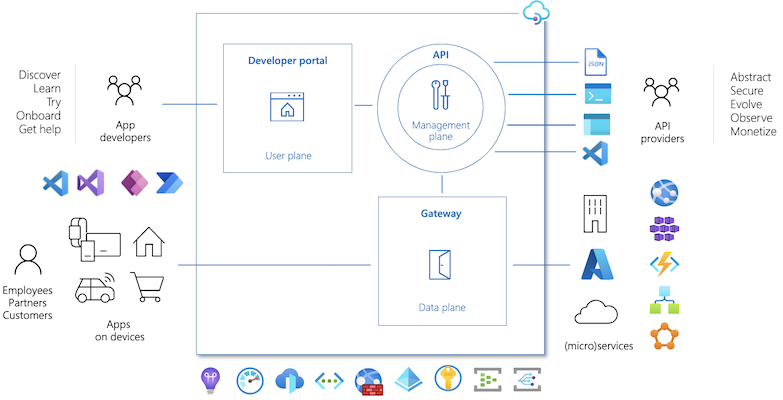
Azure APIM consists of a Gateway, a Management Plane, and a Developer Portal. It is designed to be the fabric that connects all your Microsoft and third-party services. Its architecture supports hybrid deployments, allowing the gateway component to be deployed in private networks while being managed from the cloud.
Key features
- Developer portal: It includes a customizable, auto-generated developer portal out-of-the-box, making it easy to onboard internal or partner developers with documentation and testing tools.
- Hybrid deployment: Through Azure Arc, you can manage gateways running on-premise, in other clouds, or at the edge, all from the Azure portal, providing a unified view of your estate.
- Security: It offers native integration with Azure Active Directory (Entra ID) for enterprise-grade authentication and authorization. It simplifies securing APIs for internal corporate use.
Pros & cons
- Pros: Excellent developer experience; strong integration with Microsoft stack; hybrid deployment options are robust; solid governance features.
- Cons: Feature depth lags behind specialized tools like Apigee; deployment times for new instances can be slow; configuration changes can take time to propagate.
Best fit: Organizations heavily invested in the Microsoft Azure stack and .NET ecosystem.
How to choose the right alternative
You require a forward-looking architecture to select a replacement for Tyk, not just a fix for current pain points. You must weigh trade-offs between speed, control, and features.
Scenario 1: The API-as-a-Product Business
If your primary goal is to monetize APIs and build a business around them, you need strong marketplace and billing capabilities.
- Recommendation: DigitalAPI or Apigee. DigitalAPI is faster to deploy and offers a unified view across existing infrastructure, while Apigee is powerful but heavier and tied to Google Cloud.
Scenario 2: The Microservices Mesh
If you are breaking a monolith into hundreds of microservices running on Kubernetes, latency and automation are your primary KPIs.
- Recommendation: Kong Gateway. Its lightweight footprint, NGINX core, and native Kubernetes integration make it the best choice for east-west traffic and high-performance ingress.
Scenario 3: The Event-Driven Transformation
If you are modernizing legacy systems to use Kafka and need to expose these streams to external partners via WebSockets or Webhooks.
- Recommendation: Gravitee. Its native protocol mediation and ability to manage events alongside REST APIs make it unique in this space.
Scenario 4: The Integration Heavyweight
If your "APIs" are actually complex orchestrations connecting SAP, Salesforce, and a legacy mainframe, a simple proxy won't suffice.
- Recommendation: MuleSoft or WSO2. These platforms provide the transformation and orchestration power needed for deep integration scenarios where data mapping is critical.
Scenario 5: The Cloud-Native Simplifier
If you are building a new application completely on serverless functions and want zero infrastructure management.
- Recommendation: AWS API Gateway or Azure APIM. Stick to the native tools of your cloud provider to minimize operational overhead and leverage built-in security features.
Find the right fit for your API strategy
The move away from Tyk is an opportunity to upgrade your infrastructure to match your maturity. You need a tool that aligns with your team's skills, your architectural patterns, and your business goals.
Whether you need the raw speed of Kong, the event capabilities of Gravitee, or the unified control of DigitalAPI, the right choice will accelerate your delivery and reduce your operational burden. Don't settle for "good enough." Choose the platform that turns your APIs into strategic assets.
Unify your gateways with DigitalAPI
Stop managing gateways in silos. DigitalAPI lets you govern, secure, and monetize your entire ecosystem, from Tyk to Kong to AWS, from one single place.
Start your free trial today
Frequently asked questions
1. Why do companies move away from Tyk?
Companies often migrate due to operational complexity at scale, limited analytics in the free tier, and the high cost of enterprise features. The learning curve for Go plugins and the lack of a native marketplace for monetization also drive teams to look for more comprehensive platforms that offer better "out-of-the-box" value.
2. What is the best open-source alternative to Tyk?
Kong is the most popular open-source alternative. It is built on NGINX, offering high performance and a massive plugin ecosystem. Gravitee is another strong contender, offering a more complete "all-in-one" open-source package that includes a developer portal and identity management without an enterprise license, making it attractive for budget-conscious teams.
3. Which API gateway is most scalable?
For serverless workloads, AWS API Gateway offers infinite horizontal scalability by offloading management to Amazon. For self-hosted microservices, Kong is widely regarded as the most scalable due to its lightweight NGINX core and ability to handle massive concurrency with minimal latency and resource usage.
4. Which works best for multi-cloud deployments?
DigitalAPI and Kong are excellent for multi-cloud. DigitalAPI provides a unified control plane to manage gateways across any cloud from a single dashboard. Kong allows you to deploy data planes in AWS, Azure, or on-premise while managing them from a single central point, preventing vendor lock-in and ensuring consistent policy enforcement.
5. Is Tyk suitable for large enterprise ecosystems?
Tyk is capable, but large enterprises often find it challenging to manage without a dedicated team due to the complexity of self-hosting at scale. Competitors like Apigee or DigitalAPI offer more robust "out-of-the-box" governance, compliance, and monetization features that large organizations typically require to manage complex, distributed API estates.
6. Which alternative is best for API monetization or marketplaces?
DigitalAPI and Apigee are the leaders here. DigitalAPI offers a built-in marketplace with seamless Stripe integration for instant monetization and billing. Apigee provides advanced rate planning and billing features, though it comes with a higher price tag and complexity, often requiring significant consulting hours to configure correctly.
Dhayalan Subramanian is Associate Director, Product Growth at DigitalAPI, where he leads go-to-market and product growth for the company’s multi-gateway API management platform. His work focuses on helping large enterprises and mid-market cloud companies consolidate APIs across AWS, Azure, Apigee, Kong, MuleSoft, and other gateways into a single control plane for governance, discovery, monetization, and agent consumption.
Dhayalan brings 14+ years of experience across product strategy, enterprise architecture, and engineering leadership. Earlier in his career, he held senior roles at Encora (as Associate Architect and Technical Manager), Mindtree (Technology Lead), Tech Mahindra (Technical Lead), and Primus Analytics, where he designed integration frameworks and delivered enterprise-grade digital platforms for global customers.
At DigitalAPI, he works directly with platform, integration, and developer experience leaders at Fortune 500 organizations to operationalize unified API catalogs, developer portals, and MCP-ready APIs. He writes regularly on API developer experience, API governance, and AI agent architectures.
One email a fortnight. Worth opening.
A short digest of what we're writing, what we're learning from customers, and the handful of links you'd actually want from us. No tracking pixels.

.avif)