



The right API infrastructure: Apigee vs. MuleSoft vs. Kong
The modern digital landscape requires a platform that does more than just route packets.

TL;DR
1. Apigee serves as the top choice for external partner management and API monetization;
2. MuleSoft remains the enterprise standard for deep system integration and legacy synchronization;
3. Kong offers the best performance for high-velocity internal microservices and cloud-native deployments;
4. Fragmentation across multiple gateways creates security gaps and operational visibility silos;
5. DigitalAPI.ai provides a unified intelligence layer to govern heterogeneous API environments;
6. Strategic readiness for AI becomes effortless by converting existing endpoints into agents.
[Schedule a Personalized Demo of DigitalAPI today]
Modern enterprise strategy no longer centers on the simple adoption of APIs. Strategic focus has shifted toward the management of the massive architectural sprawl created by years of rapid digital expansion. The selection of the right core infrastructure between giants like Apigee, MuleSoft, and Kong defines an organization's ability to scale and govern. This decision represents a collision of philosophies that impacts everything from latency to long-term profitability. A misaligned platform choice necessitates a fundamental rethink of the digital traffic architecture when speed is the most valuable currency.
This guide dissects these platforms through the lens of business value and operational efficiency. We examine the Manager, the Integrator, and the Accelerator to help align the technology stack with long-term strategic goals. Every organization has unique needs, but the 2026 digital estate often requires a hybrid approach. The goal is to understand which tool serves as the foundation. This approach ensures that your infrastructure remains a competitive advantage rather than a bottleneck.
Strategic priorities for 2026: what to look for
The modern digital landscape requires a platform that does more than just route packets. You need a solution that balances technical performance with strict business governance. Before you dive into the specific vendors, you should evaluate your needs against these five critical strategic pillars:
- Business lifecycle management: The ability to treat APIs as commercial products with versioning and monetization.
- Architectural flexibility: Support for hybrid cloud, multi-cloud, and on-premise deployments without vendor lock-in.
- Operational scalability: A pricing and resource model that does not penalize you for traffic growth.
- Security and compliance: Centralized enforcement of OAuth, mTLS, and regulatory standards across all environments.
- Future automation readiness: The capacity to integrate with AI agents and automated governance workflows.
The 3 pillars: manager vs. integrator vs. accelerator
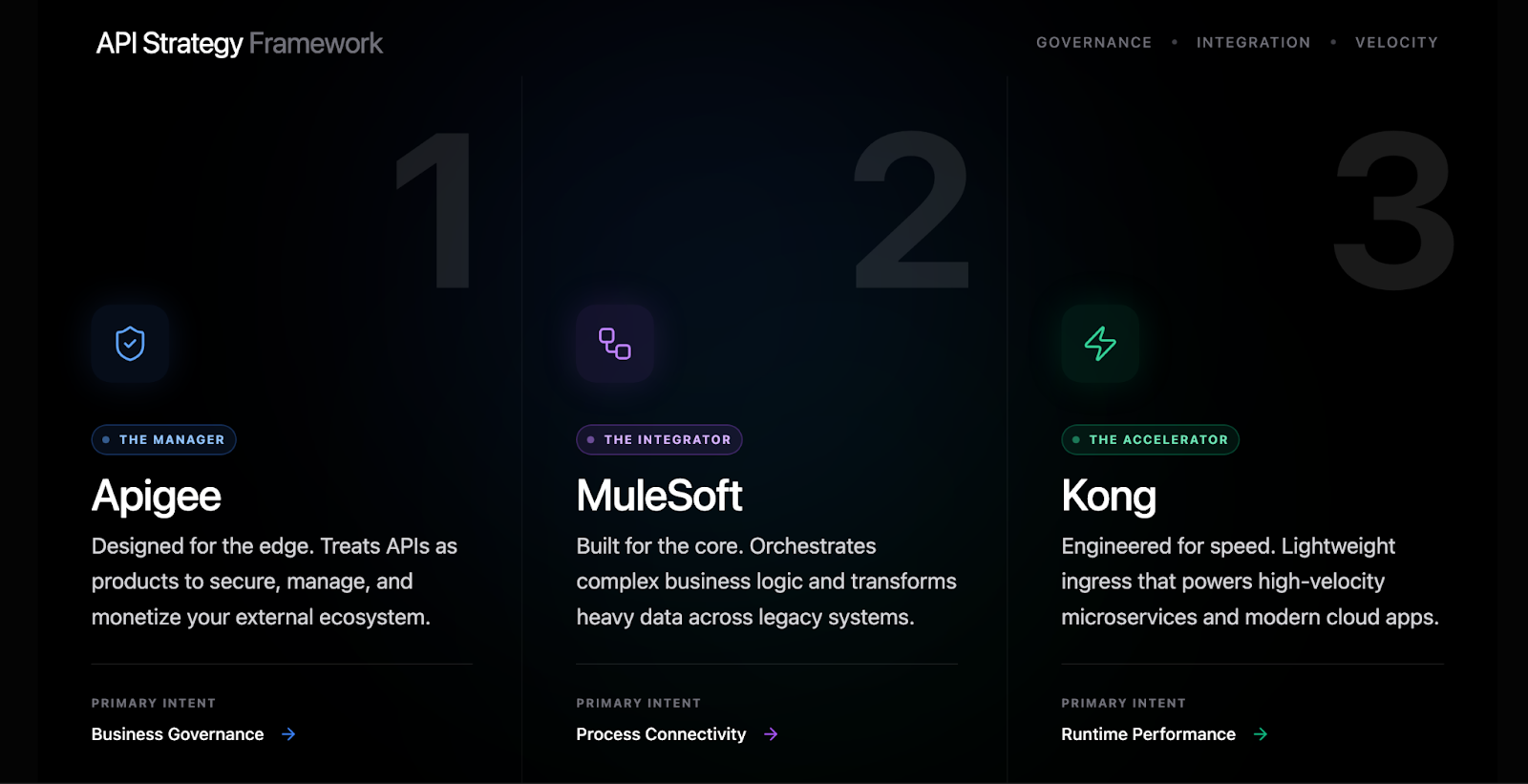
The API landscape has evolved into three distinct roles, each serving different business intents. Before comparing features, it's crucial to understand their purpose. The optimal choice depends on whether you prioritize external ecosystem growth, deep internal system connectivity, or high-frequency, sub-millisecond performance. Each pillar leads to digital maturity differently and requires specific operational skills. Evaluate your current architecture to determine which pillar best supports your commercial roadmap.
1. Apigee functions as the strategic manager
Apigee, Google Cloud's enterprise API management platform, is a comprehensive control tower for environments requiring centralized governance and business-focused visibility. Treating APIs as products, it manages the full lifecycle and is built for strict compliance and security. It is the robust solution for organizations managing external partner ecosystems or monetizing data.
Key strengths of the Apigee platform
- Comprehensive monetization: Pre-built modules for rate plans, billing integration, and partner payouts.
- Advanced business analytics: Deep insights into partner engagement and API-driven revenue streams.
- Governance at scale: Centralized policy enforcement that ensures a consistent security posture.
- Developer experience: A mature and customizable portal for external partner self-service.
2. MuleSoft acts as the enterprise integrator
MuleSoft is the standard iPaaS for modern enterprise integration, designed to orchestrate complex, backend-heavy business processes across diverse systems. It connects everything from microservices to legacy mainframes and easily handles deep data transformations for ERP systems like SAP or Oracle. For deep connectivity and data orchestration across a fragmented landscape, MuleSoft surpasses simple gateways.
Primary value drivers for MuleSoft deployments
- Anything-to-anything connectivity: Hundreds of pre-built connectors for legacy and modern SaaS platforms.
- Data transformation logic: Powerful tools for mapping complex XML to JSON or vice versa.
- Orchestration capabilities: The ability to chain multiple service calls into a single business transaction.
- Low-code development: A visual studio that allows architects to design integrations without deep coding.
3. Kong operates as the cloud-native accelerator
Kong provides modern, decentralized connectivity for high-growth engineering teams. Originating from open-source and built on the NGINX proxy, Kong is architected for speed and favored by developers for its proximity to code. Deployable as a Kubernetes sidecar or global ingress controller, it prioritizes low latency. Kong is the standard for organizations adopting high-velocity, microservices architectures, offering extreme performance without the bloat of traditional enterprise suites due to its modular design.
Core advantages of the Kong gateway engine
- Sub-millisecond performance: Minimal overhead that ensures your applications remain fast and responsive.
- Platform independence: True multi-cloud and hybrid cloud portability with no vendor lock-in.
- Kubernetes native design: Seamless integration with modern container orchestration and GitOps workflows.
- Modular extensibility: A massive plugin ecosystem that allows for custom security and traffic logic.
The core choice: business value vs. connectivity vs. speed
A successful API strategy requires defining a clear business intent: prioritize external monetization or resolve deep connectivity issues. While some need raw speed for real-time digital experiences, most enterprises eventually require a mix. However, the core investment must align with the business model and engineering culture, as misalignment wastes resources and hinders developer adoption.
For instance, a retail bank might use MuleSoft for legacy integration but deploy Kong for its mobile app to handle high-frequency traffic efficiently. The challenge is preventing new silos or visibility gaps. Consolidating different gateways into a single governance layer is essential. This ensures consistent security despite diverse technical implementations and prevents loss of control as the number of APIs grows.
Architecture and engines: comparing the technical foundations
The divergence in architecture is the most significant differentiator between these three tools. Each engine dictates the performance profile and the operational overhead for infrastructure teams. You must understand the underlying mechanics to predict how these tools will behave under extreme load. The choice of engine also impacts the hiring strategy, as different platforms require specialized skills. The following table provides an elaborative comparison of the strategic and technical dimensions of each platform to assist with your architectural planning.
Apigee relies on a centralized cloud proxy
Apigee, utilizing a centralized, multi-layer proxy architecture managed by Google Cloud, is a critical enforcement point for API calls. Apigee X, its modern version, manages the control plane while the runtime is peered with the local network, separating consumers from backend services. This provides consistent security and audit logging, which is especially reassuring for regulated entities.
This control adds architectural weight and potential latency, as all traffic routes through specific ingress points. This centralized policing is excellent for security-first postures, particularly at the external edge, but can become a bottleneck for internal traffic, requiring a trade-off decision between security and raw throughput.
Technical highlights of the Apigee architecture
- Separation of concerns: Decouples the control plane from the runtime for maximum security.
- Managed operations: Reduces the maintenance burden on your internal SRE teams.
- Deep GCP integration: Leverages Google's global network and security infrastructure.
- Policy-heavy design: Provides deep logic enforcement without writing custom code.
MuleSoft utilizes a heavy Java runtime
MuleSoft, built on the Java-based Mule ESB runtime, is designed for complex integration tasks like data mapping and protocol translation, often connecting modern systems with legacy back-ends. Its architecture, which allows one API call to trigger a sequence of events across multiple databases, requires significant compute resources and results in a substantial memory footprint and longer cold boot times due to JVM overhead.
This weight is a deliberate choice for its powerful integration capabilities. This makes MuleSoft overkill for simple routing or use as a lightweight microservices sidecar. It should be reserved for heavy orchestration and data transformation tasks where the value of complex data connectivity outweighs the associated latency and resource costs.
Architectural characteristics of MuleSoft workers
- Compute-intensive: Requires significant RAM and CPU for complex transformations.
- Stateful processing: Capable of managing multi-step flows and data persistence.
- Proprietary language: Uses DataWeave for powerful and complex data mapping.
- Environment isolation: Each worker is a dedicated instance for your specific integrations.
Kong leverages an efficient nginx core
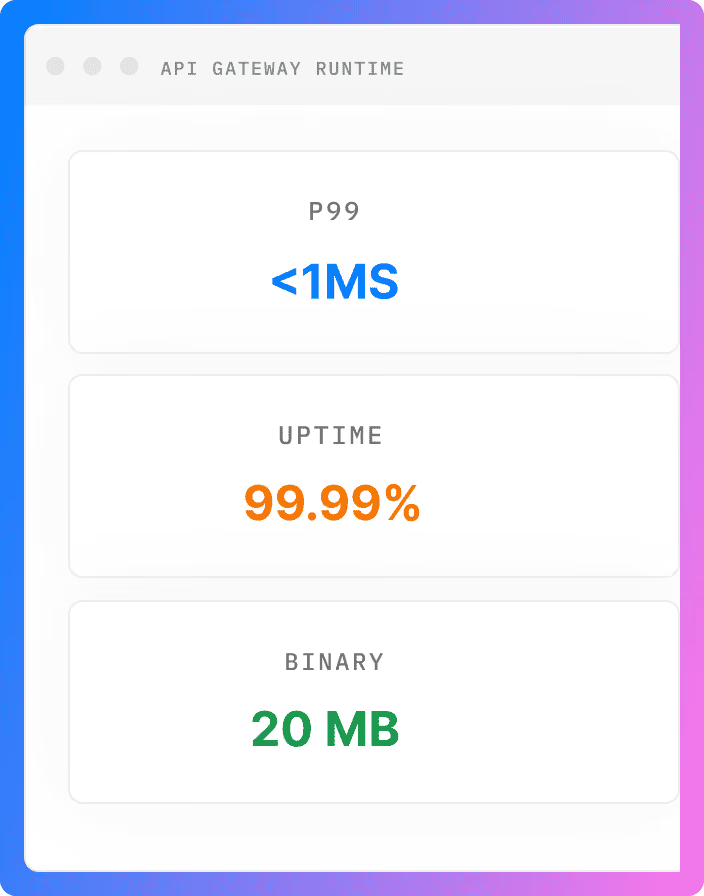
Kong, built on NGINX and OpenResty, offers extremely low latency (sub-millisecond overhead). Its decentralized architecture separates the data and control planes, ensuring traffic continues during management outages and allowing hybrid/multi-cloud deployment. The small, C-based footprint provides high performance, handling tens of thousands of requests per second on modest hardware.
This efficiency makes Kong the performance leader for real-time, high-throughput, and dynamic Kubernetes environments. As a lightweight alternative to resource-heavy Java tools, it is the standard for internal microservices communication, offering the speed needed for responsive, scalable digital products and cloud-speed innovation.
Technical advantages of the Kong data plane
- Decoupled control plane: Ensures traffic keeps flowing even if the manager goes down.
- Low-level efficiency: Written in C and Lua for maximum hardware utilization.
- Small memory footprint: Can be deployed as a sidecar with minimal overhead.
- Linear scalability: Easily handles massive traffic spikes by adding more pods or nodes.
Use cases: matching the tool to the business job
Tool architecture dictates its best digital application. Matching the platform to the job maximizes ROI. Some tools are for the edge, others for the core. Real-world behavior analysis reveals true value. Success depends on selecting the right tool for the right scenario. We will now examine three common enterprise use cases to illustrate tool strengths.
1. Partner management with Apigee
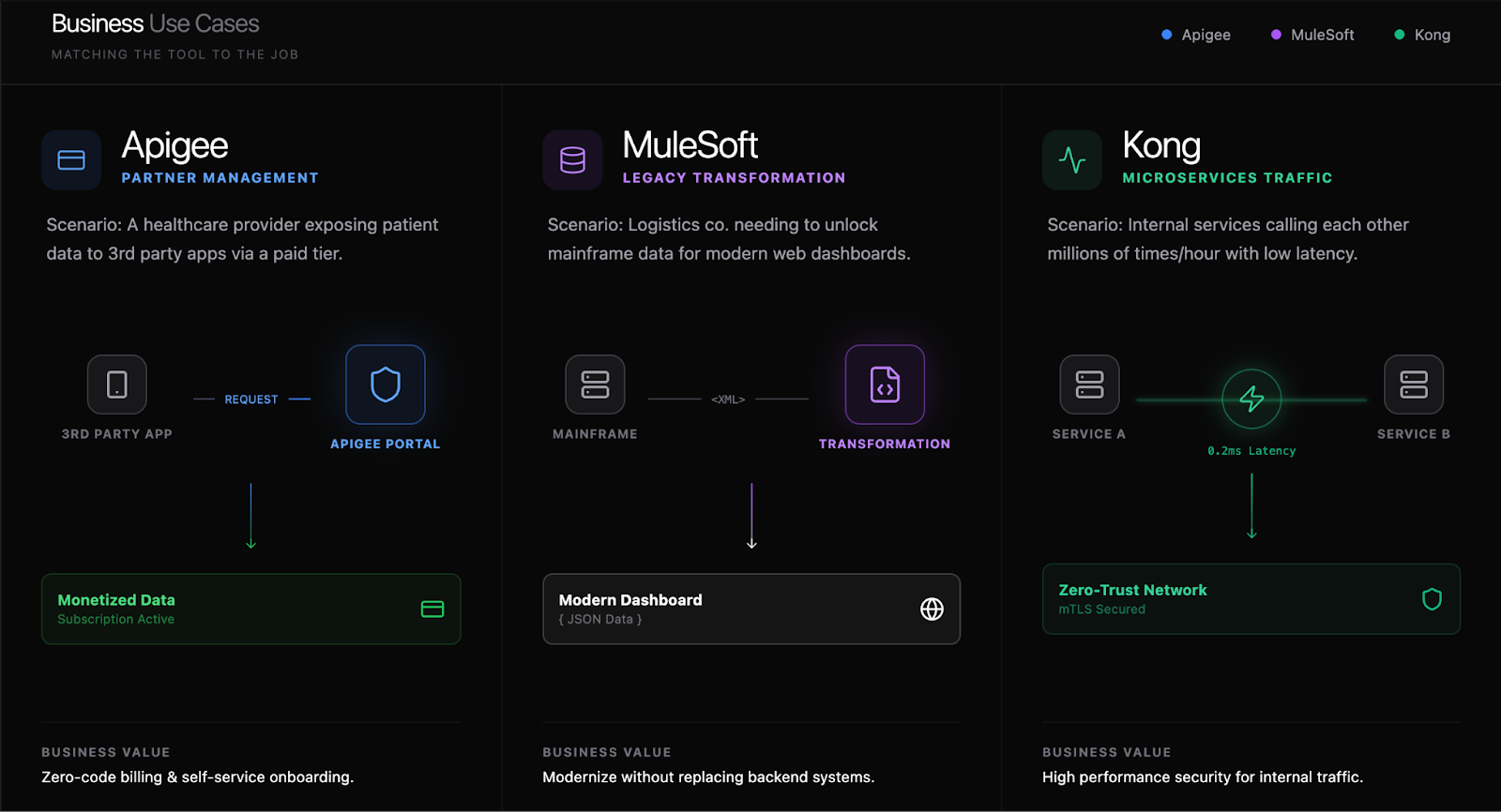
Apigee is the winner for external-facing traffic that requires a high degree of business logic. A healthcare provider exposing patient data to third-party insurance apps needs robust consent management. Apigee provides pre-built modules for monetization and rate plans that allow the business to launch a paid API tier quickly. The polished developer portal ensures that partners have a professional and self-service onboarding experience. You can manage the entire partner ecosystem without writing custom billing or subscription code. This reduces time-to-market for new data products significantly.
Specific partner management features
- Branded portals: Highly customizable storefronts for your API products.
- Subscription workflows: Automated approval and key generation for new users.
- Rate plan management: Flexible tiered pricing for different partner levels.
- Billing integration: Direct connection to global payment gateways for easy collection.
2. Legacy transformation with MuleSoft
MuleSoft shines in brownfield environments where data is trapped in on-premise mainframes. If a global logistics company has data in both legacy systems and Salesforce, MuleSoft is the bridge. It handles the complex logic of fetching data and transforming it from XML to JSON for web apps. It functions as an integration hub first and a gateway second for the most complex data flows. You can modernize the legacy stack without needing to replace every backend system at once. It protects your existing investments while enabling modern digital experiences.
Typical legacy integration scenarios
- Mainframe modernization: Exposing ancient COBOL or DB2 data as modern REST APIs.
- ERP synchronization: Keeping SAP and Salesforce data in perfect real-time sync.
- Data orchestration: Aggregating data from five different databases into one response.
- Protocol mediation: Bridging the gap between SOAP, MQ, and modern HTTP services.
3. Microservices traffic with Kong
Kong is the best choice for the traffic that stays inside the modern data center. In a microservices architecture, internal services call each other millions of times per hour for a single user journey. Every millisecond counts in these high-frequency scenarios where latency can ruin the user experience. Kong’s lightweight nature allows it to sit as a sidecar without adding meaningful latency to the call chain. It is optimized for the low-payload calls that are typical of modern and containerized cloud applications. It ensures that your internal network remains fast and responsive at all times.
Internal microservices capabilities
- Zero-trust security: Enforces mTLS between every service in your cluster.
- Dynamic routing: Manages complex service discovery and traffic shaping.
- Canary deployments: Allows for safe and controlled rollouts of new service versions.
- Observability: Pushes real-time metrics to Prometheus, Grafana, or Datadog.
Ecosystem and vendor lock-in considerations
Vendor lock-in is a major risk in a multi-cloud strategy; your gateway shouldn't restrict future cloud provider choices. Evaluate the ease of policy migration if the cloud strategy shifts. Multi-cloud flexibility is vital for modern enterprises. We will now examine vendor ties for the three major players.
Strategic implications of the google and salesforce ecosystems
- Native cloud alignment: Apigee provides deep integration with security tools like Cloud Armor and analytics engines like BigQuery.
- Ecosystem dependency: The platform creates a sticky relationship with Google Cloud Platform that makes multi-cloud transitions technically challenging.
- Salesforce integration standard: MuleSoft is the default choice for organizations invested in the Salesforce Customer 360 vision and specialized data flows.
- Financial ecosystem orbit: Pricing models for MuleSoft are structured to favor organizations that remain within the broader Salesforce product family.
- Architectural constraints: Proprietary policy logic often limits the freedom of an organization to expand its digital footprint into other clouds.
Value drivers for the multi-cloud flexibility of kong
- Platform-agnostic runtime: Kong runs equally well on AWS, Azure, GCP, or private bare metal servers for maximum deployment flexibility.
- Universal policy enforcement: Organizations can deploy consistent security layers across different environments without rewriting complex management rules.
- Avoidance of vendor lock-in: The solution does not penalize teams for using a diverse strategy involving multiple cloud providers or hybrid setups.
- Unified control plane functionality: A single management layer can oversee nodes running in disparate clouds to ensure global compliance and visibility.
- Workload portability: Portability remains a key advantage for teams that need to move workloads based on cost-efficiency or performance metrics.
Cost model analysis: comparing the investment
Platform financial impact depends on traffic and integration complexity. Total cost of ownership requires looking beyond the license fee. Pricing structures vary (per request vs. compute consumption), leading to varied budget outcomes as traffic increases. Analyzing vendor pricing is crucial for budget planning and avoiding unpredictable cost spikes with API usage scale.
Call volume vs compute power
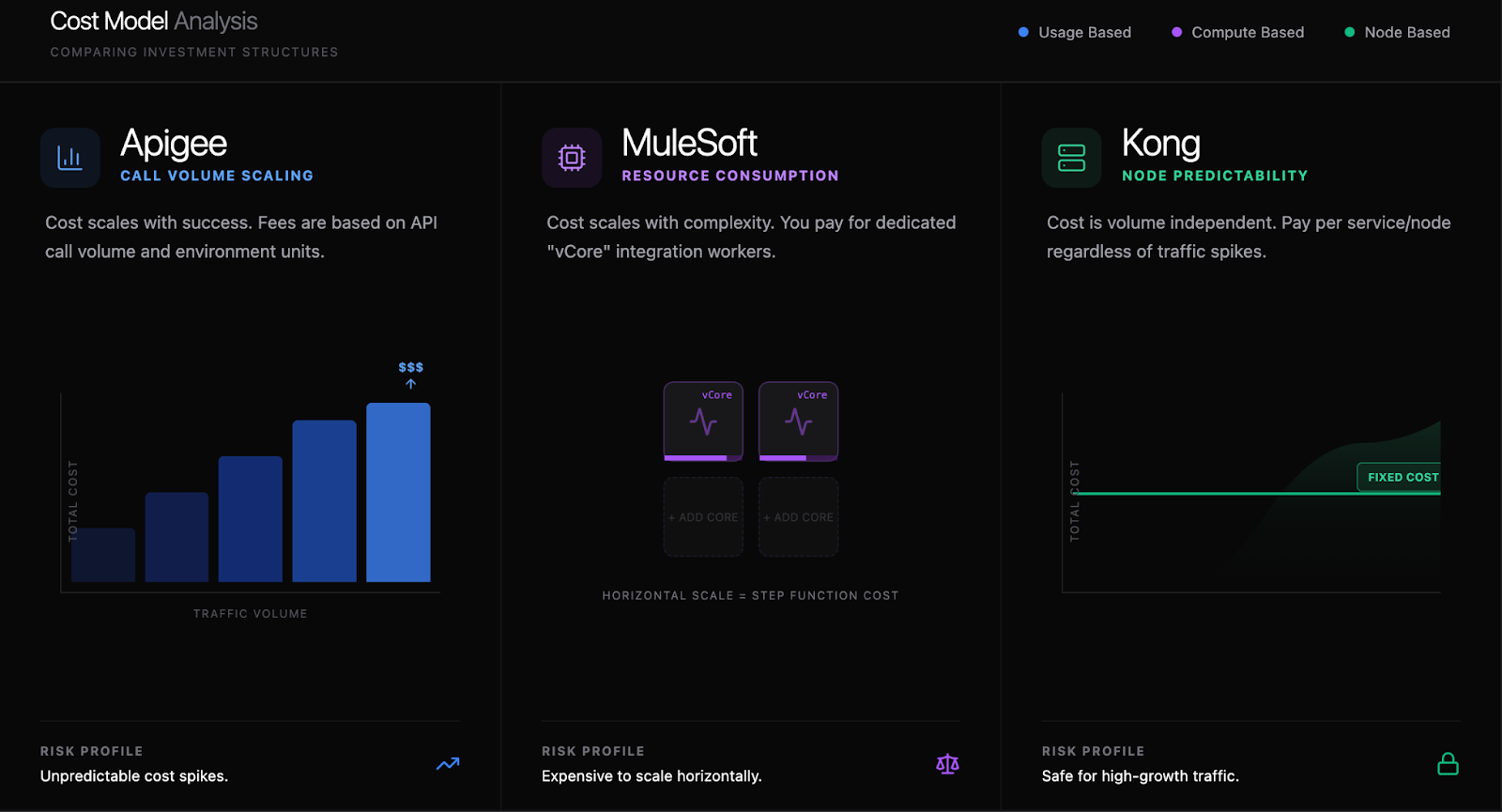
- Usage-based scaling: Apigee typically charges based on call volume and environment units, which can escalate quickly during success periods.
- Monetization alignment: Organizations find this model best when direct revenue from API monetization offsets the high operational expenditure.
- Resource consumption: MuleSoft utilizes a vCore consumption model where you pay for the compute capacity of dedicated integration workers.
- Known requirements: Predictability is higher when processing needs are known, although costs rise significantly during horizontal scaling events.
- Complexity focus: This approach aligns financial investment with the technical complexity of integrations rather than raw request counts.
The predictability of the kong model
- Node-centric licensing: Kong uses an open core model where enterprise licensing typically focuses on service or node counts.
- Volume independence: High-traffic applications benefit from a predictable cost structure that remains agnostic to the total volume of requests.
- Startup efficiency: Startups serving billions of requests often find this model much cheaper than platforms charging per individual API call.
- Growth safety: Success does not lead to financial penalties, allowing teams to grow traffic without constant budget renegotiations.
- Operational stability: Engineering squads gain financial stability and autonomy because scaling decisions are decoupled from incremental consumption costs.
Choosing the right profile for your organization
Final decisions depend on the leadership's technical maturity and business goals. Identify which of the three organizational profiles, each representing different priorities and transformation approaches, best matches your current state. These categories are based on common architectural pain points. Though every organization is unique, these patterns offer a useful decision-making framework. Determine the team's strategic fit.
Characteristics of the digital product leader
The digital product leader is the architect who treats every API as a commercial product for the market. They need advanced analytics to see which external partners are driving the most revenue for the company. They value the "battery-included" nature of a comprehensive management platform for partners.
- Top priority: Security and external partner monetization.
- Infrastructure choice: Prefers managed SaaS solutions for ease of governance.
- Success metric: API-driven revenue and partner adoption rates.
- Ideal industry: Banking, Insurance, and Public Sector.
Characteristics of the enterprise architect
The enterprise architect is the veteran who manages twenty years of legacy systems and data silos. Their primary pain point is the fragmentation of data across on-premise and cloud environments. They prioritize deep system integration over raw edge performance to solve business problems.
- Top priority: Data connectivity and backend orchestration.
- Infrastructure choice: Prefers robust iPaaS tools with massive connector libraries.
- Success metric: Number of legacy systems integrated and data sync accuracy.
- Ideal industry: Manufacturing, Retail, and Global Logistics.
Characteristics of the cloud-native engineer
The cloud-native engineer is the pioneer who lives in Kubernetes and speaks the language of GitOps. They want an invisible gateway that adds zero latency and can be configured entirely as code. They view the gateway as an extension of their infrastructure as code strategy for scale.
- Top priority: Engineering performance and sub-millisecond latency.
- Infrastructure choice: Prefers lightweight, C-based proxies and sidecar meshes.
- Success metric: Requests per second and system resource efficiency.
- Ideal industry: FinTech, AdTech, and Real-time Streaming.
The multi-gateway reality and digitalapi.ai
Most large organizations today face a fragmented multi-gateway reality. Strategic leaders often find their teams deploying different tools for overlapping needs, utilizing a diverse mix of Apigee, MuleSoft, and Kong to address various architectural requirements across the business. While each tool excels in its domain, relying on a combination of them creates dangerous security gaps, inconsistent governance, and fragmented visibility across the enterprise.
DigitalAPI.ai acts as the essential intelligence layer that unifies these disparate gateways into a single, governable estate. Instead of forcing a "rip and replace" migration, it allows your organization to continue leveraging the strengths of Apigee, MuleSoft, and Kong where appropriate, without the operational chaos of managing multiple disconnected consoles. This platform ensures that your diverse technical choices remain a strategic asset rather than becoming a growing administrative burden.
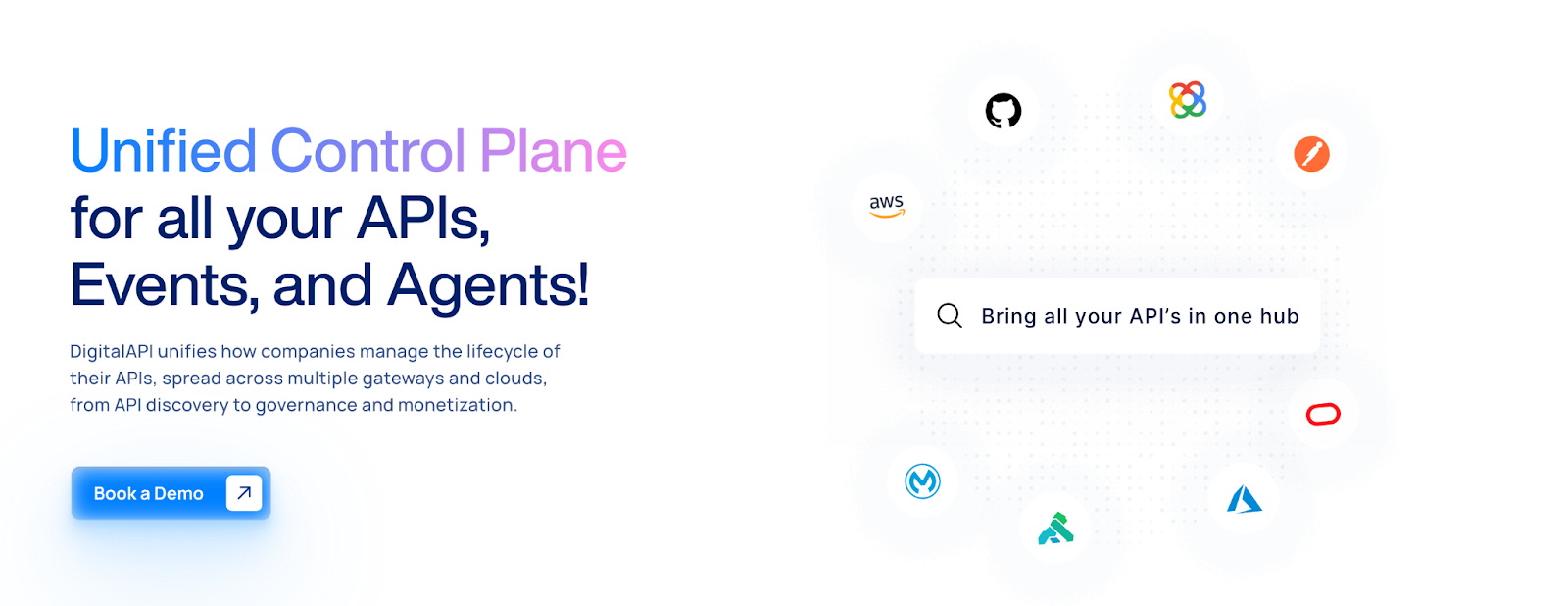
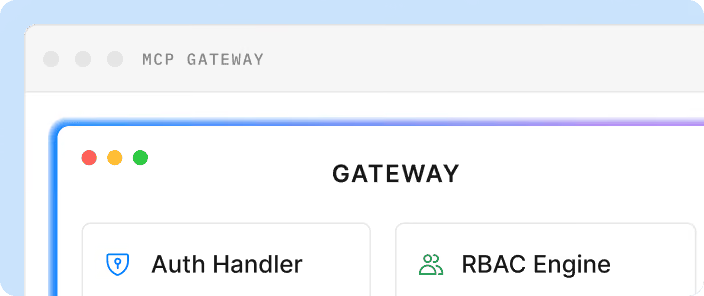
- Unified API management: DigitalAPI.ai functions as a comprehensive control plane that sits above your existing infrastructure. It allows you to configure, deploy, and manage APIs across Apigee, MuleSoft, Kong, and cloud-native providers without jumping between disconnected consoles.
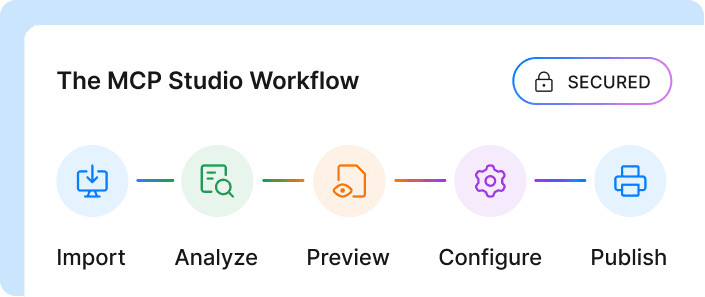
- AI-agent readiness: Automatically bridge the gap between human-centric APIs and AI agents. The platform instantly generates Model Context Protocol (MCP) servers for your endpoints, making your entire estate consumable by LLMs like Claude and OpenAI with built-in safety guardrails.
- Centralized governance: Move from fragmented security to global enforcement. Define policies, such as OAuth, rate limiting, and PII masking, once, and push them consistently to every gateway in your architecture, ensuring a unified security posture regardless of the underlying engine.
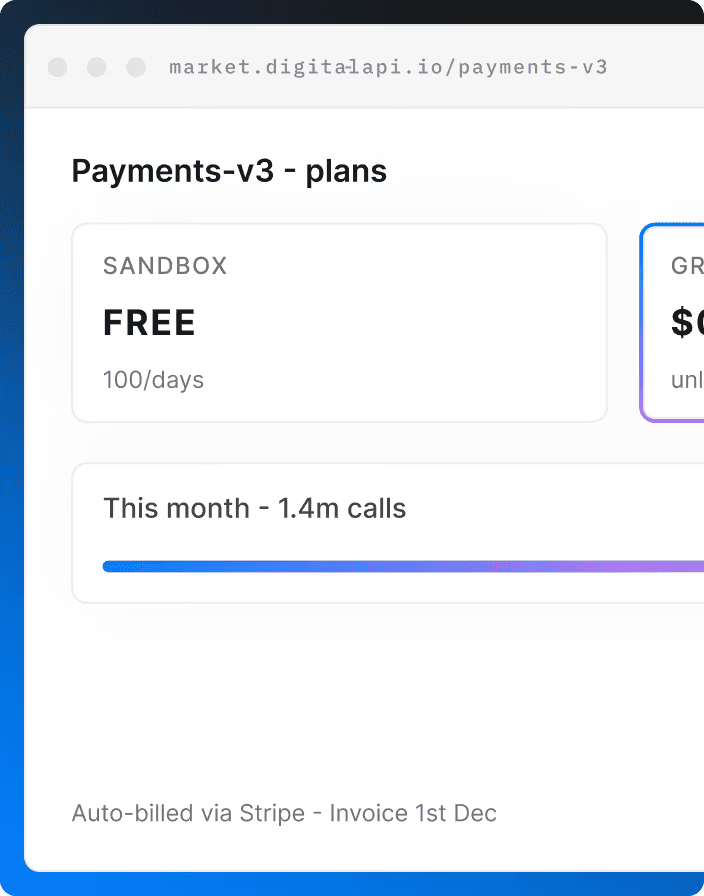
- Universal cataloging: Break down discovery silos with a single source of truth. Launch a white-label, branded marketplace that aggregates services from all your gateways, enabling internal developers and external partners to discover, subscribe to, and test APIs from one central hub.
- Comprehensive observability: Eliminate blind spots with a 360-degree view of your digital traffic. Aggregate logs, error rates, and latency metrics from heterogeneous gateways into a single control plane, allowing operations teams to trace issues across vendors and environments in real-time.
Schedule a Personalized Demo of DigitalAPI.ai today
Frequently asked questions
1. Can Kong replace Mulesoft?
No. Kong cannot replace the deep orchestration and protocol mediation of a full iPaaS tool. Kong is designed for high-speed routing and microservices. MuleSoft is built for complex data transformations and legacy system integration. Organizations should use Kong for performance and MuleSoft for architectural complexity.
2. Can Apigee replace Kong?
Apigee provides superior business management and monetization for external partner ecosystems. Kong offers better sub-millisecond performance for high-frequency internal microservices traffic. While Apigee can route traffic, its architectural weight makes it less ideal for performance-critical internal calls. Most enterprises use both to balance security and speed.
3. Which is the cheapest?
Kong is typically the most cost-effective for high-volume estates due to its node-based pricing model. Apigee and MuleSoft use consumption-based or compute-based pricing that can escalate quickly during traffic spikes. Engineering teams often prefer Kong for its predictable financial footprint as transaction volumes grow across the enterprise.
4. Which is best for AI?
DigitalAPI.ai is the best solution for AI readiness because it bridges the gap between gateways and AI agents. It converts existing endpoints from Apigee, MuleSoft, and Kong into MCP-compliant formats automatically. This ensures your entire estate is ready for agentic consumption without significant manual integration effort.
Rajanish GJ is Chief Technology Officer at DigitalAPI, the multi-gateway API management platform that helps large enterprises consolidate API discovery, governance, monetization, and AI agent enablement across heterogeneous gateway environments, including Apigee, AWS API Gateway, Azure API Management, Kong, and MuleSoft.
Rajanish brings 20+ years of engineering leadership to the role. He spent formative years at Apigee, the API management platform now part of Google Cloud and widely regarded as the category’s foundational product, and at Google itself, where he worked on developer-facing infrastructure at scale. That operator background informs DigitalAPI’s architectural bets around gateway abstraction, MCP-ready APIs, and agent-native developer experience.
He writes regularly on API architecture, developer infrastructure, and AI-native API management, with particular focus on how engineering teams can future-proof their API platforms for the agent era.
One email a fortnight. Worth opening.
A short digest of what we're writing, what we're learning from customers, and the handful of links you'd actually want from us. No tracking pixels.

.avif)